
Kinship care, where relatives or close family friends care for children, has deep historical roots in many communities. Kin caregivers often need resources like financial help, child care, health care, transportation, and legal services. Mississippi’s Kinship Care Navigator Program (KCNP) connects caregivers to these supports, but demand exceeds supply, leaving many on waitlists. Although early… Continue reading Evaluation of the Kinship Care Navigator Program in Mississippi: Child Welfare Outcomes and Family Resource Needs
Research Theme: ISR
Determining What is Right for Whom: A Hybrid Experimental Clinical Trial of Tailored Intervention Sequencing to Maximize Effectiveness of PTSD Treatment

Cognitive Processing Therapy (CPT) and Prolonged Exposure (PE) are the most effective treatments for PTSD; however, up to 41% of patients do not improve significantly. It remains unclear how best to adapt treatment when patients show early non-response or struggle with between-session homework. To address this, our team developed the Hybrid Experimental Design (HED), a… Continue reading Determining What is Right for Whom: A Hybrid Experimental Clinical Trial of Tailored Intervention Sequencing to Maximize Effectiveness of PTSD Treatment
Sensory Aging, Late-Life Wellbeing, and ADRD Research Infrastructure to Catalyze Practice and Policy
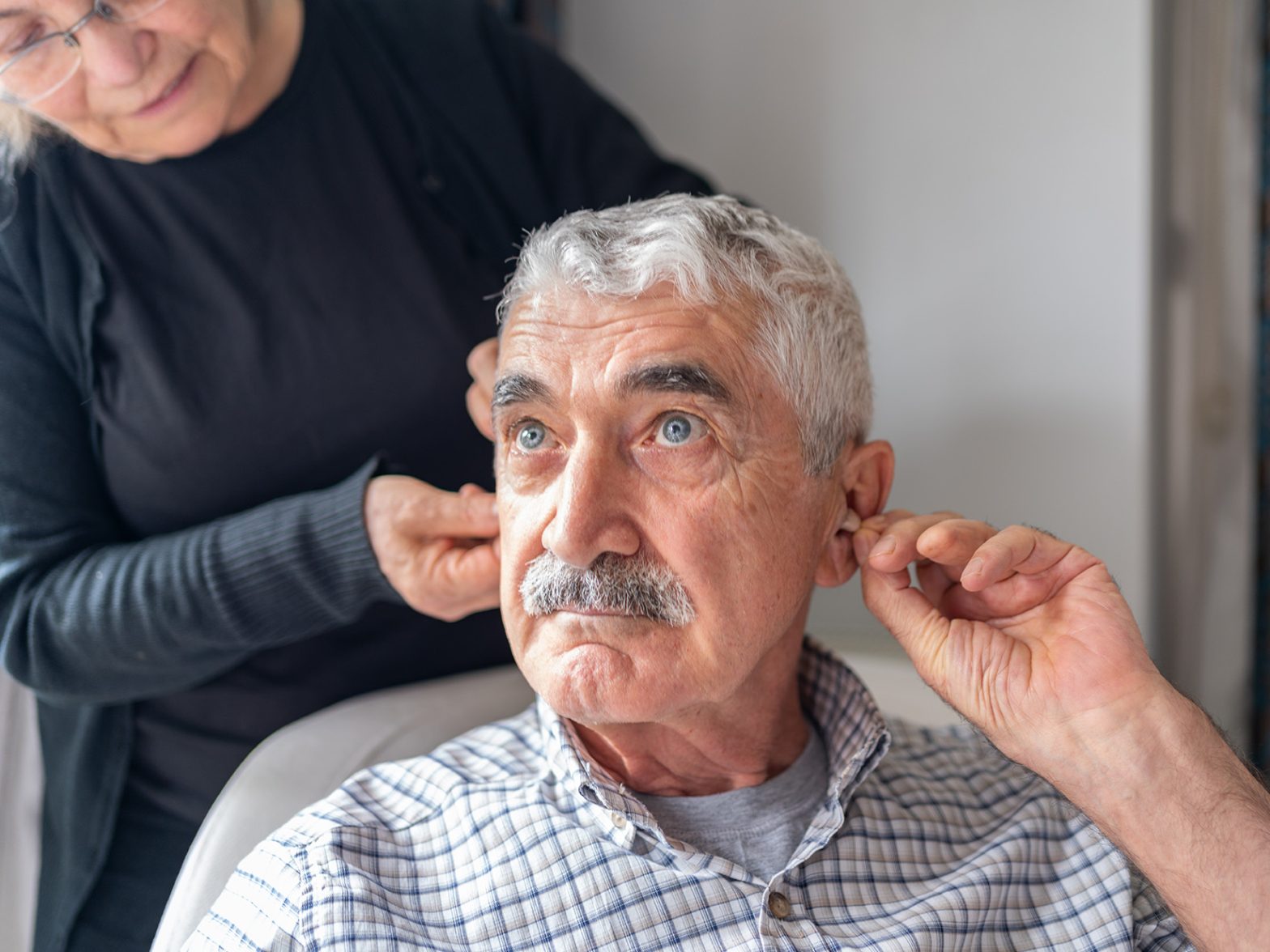
The goal of this project is to substantially strengthen a small but successful collaborative, international network the SENSE Network to accelerate and translate innovative research in sensory aging, Alzheimers Disease and Related Dementias (ADRD) and late-life wellbeing. The principal investigators launched the SENSE Network in September 2020. Building on past successes, we propose to leverage… Continue reading Sensory Aging, Late-Life Wellbeing, and ADRD Research Infrastructure to Catalyze Practice and Policy
Daily Experiences and Well-being among Spousal Caregivers for Older Adults Experiencing Lewy Body Dementia

The purpose of this study is to examine the daily lives of Lewy Body Dementia (LBD) caregivers and the links between LBD symptoms and caregiver well-being throughout the day. We will generate a rich and novel dataset to examine caregiving for LBD core symptoms in addition to symptoms shared by other dementias.
Characterizing upstream environmental, social, and economic determinants of health and their association with cancer-related health outcomes

This proposal seeks to characterize the upstream conditions identified by this framework in the persistent, current, and low poverty census tracts in the Karmanos Cancer Institute (KCI) catchment area and throughout Michigan by 1) developing a data resource of variables characterizing the upstream factors (social inequities & social justice; institutional environments; and economic, physical, social,… Continue reading Characterizing upstream environmental, social, and economic determinants of health and their association with cancer-related health outcomes
Intergenerational disadvantage and pediatric health disparities in acute respiratory illness and diarrhea

This project seeks to document the frequency and duration of diarrheal disease and acute respiratory infection in early childhood, and assess how intergenerational disadvantage and household and community circumstances shape disparities in children’s health, illness, and healthcare utilization. The results of this project will allow child health programs and health systems to better address health… Continue reading Intergenerational disadvantage and pediatric health disparities in acute respiratory illness and diarrhea
Examining the relationship between blood-based mitochondrial bioenergetic capacity in frozen samples, socioeconomic position, and physical functioning

Physical performance in older age predicts independence, and social factors influence physical function, yet the biological mechanisms are not well understood. Mitochondrial function—a new “hallmark of aging”—may explain how social experiences impact health, as its dysfunction is linked to multiple age-related diseases and declining physical performance. However, no field studies have examined links between mitochondria,… Continue reading Examining the relationship between blood-based mitochondrial bioenergetic capacity in frozen samples, socioeconomic position, and physical functioning
Enhancing and Archiving Genomic Data of the PSID Child Development Supplement

This project will enhance basic genomic data from the 2014 wave of the Child Development Supplement to the Panel Study of Income Dynamics in a number of important ways. It will create new genomic measures, make them available to the research community free of charge, and promote their use through comprehensive documentation and outreach efforts.… Continue reading Enhancing and Archiving Genomic Data of the PSID Child Development Supplement
Mid-Life Health Inequalities in the Rural South: Risk and Resilience

This project proposes to study determinants of mid-life health in the areas most beset by such place-based health inequalities: rural communities in the South and Appalachia. The Survey Research Operations (SRO) will provide sample design services, manage the sample purchase, and provide consultation on sample monitoring and interviewer training. The SRO Director of Sampling Operations… Continue reading Mid-Life Health Inequalities in the Rural South: Risk and Resilience
Virtual Convoys: A Social VR Approach to Reducing ADRD risk among Older Adults Living Alone

Nearly one-third of older adults (age 65+) in the United States are aging alone. Those who experience social isolation are significantly more likely to develop Alzheimer’s disease and related dementias (ADRD). Virtual reality (VR) is gaining recognition as a means to promote cognitive health as well as a means to connect with our social network.… Continue reading Virtual Convoys: A Social VR Approach to Reducing ADRD risk among Older Adults Living Alone