It begins with a single, panicked phone call about a fallen parent or a flickering memory, but it is quickly becoming the defining white noise of a nation. As the American population ages and family structures splinter, a quiet domestic struggle has escalated into a pressing national inquiry: Who is actually responsible for our elders?… Continue reading Michigan Minds podcast: The elder care gap—family duty vs. reality
Project: SRC
The real world impact of ISR research: Jeremy Levine
In this video, Jeremy Levine, Faculty Associate in the Stone Center for Inequality Dynamics at ISR, explains why victim compensation laws often fail to benefit victims of crime. I study the inequalities in the criminal legal system. Specifically, I study laws that are supposed to benefit crime victims. But what I find in my research… Continue reading The real world impact of ISR research: Jeremy Levine
Michigan Minds podcast: Why cooling inflation isn’t saving your bank account
Economist Joanne Hsu, director of the Surveys of Consumers at the University of Michigan Institute for Social Research, specializes in the fields of household finance, consumer sentiment and the impact of economic expectations on the national economy. Hsu joins the Michigan Minds podcast to discuss her findings on current consumer sentiment, offering insight into persistent high… Continue reading Michigan Minds podcast: Why cooling inflation isn’t saving your bank account
Sentiment stagnates, wealth gaps grow

ANN ARBOR—Consumer sentiment stagnated this month with very little change, just 0.2 index points higher than January, according to the University of Michigan Surveys of Consumers. All index components posted insignificant movements this month; overall, consumers do not perceive any material change in the economy in February. About 46% of consumers spontaneously mentioned high prices… Continue reading Sentiment stagnates, wealth gaps grow
Justice after trauma? Race, red tape keep sexual assault victims from compensation

ANN ARBOR—Bureaucratic hurdles and racial disparities restrict access to victim compensation for adult survivors of sexual assault, deepen justice system inequities and compound trauma. The absence of police verification of a crime is the primary reason for rejection, representing 34.4% of disapproved requests—which account for roughly 8 out of every 100 applicants, according to a… Continue reading Justice after trauma? Race, red tape keep sexual assault victims from compensation
Researchers use data from Health and Retirement Study to create new health-tracking index for older Americans

ANN ARBOR — Using data from the Health and Retirement Study (HRS), researchers at the University of Michigan and Florida State University have developed a new, 10-item health survey to assess a variety of health conditions. The IAM+ index assesses numerous areas of an individual’s health, including overall health and fitness, eyesight, hearing, and memory.… Continue reading Researchers use data from Health and Retirement Study to create new health-tracking index for older Americans
Study pairs key air pollutants with home addresses to track progression of lost mobility through disability

Research traces 10 years of exposure to deteriorating mobility in older Americans A University of Michigan study has taken a fine-grained, long-term look at residential-area air pollution and how it relates to deteriorating mobility—and hindered recovery—for older Americans. By pairing and comparing the mobility and disability experiences of 29,790 participants in the national Health and… Continue reading Study pairs key air pollutants with home addresses to track progression of lost mobility through disability
Not all gigs are equal: Informal self-employment linked to lower pay, poorer health and instability
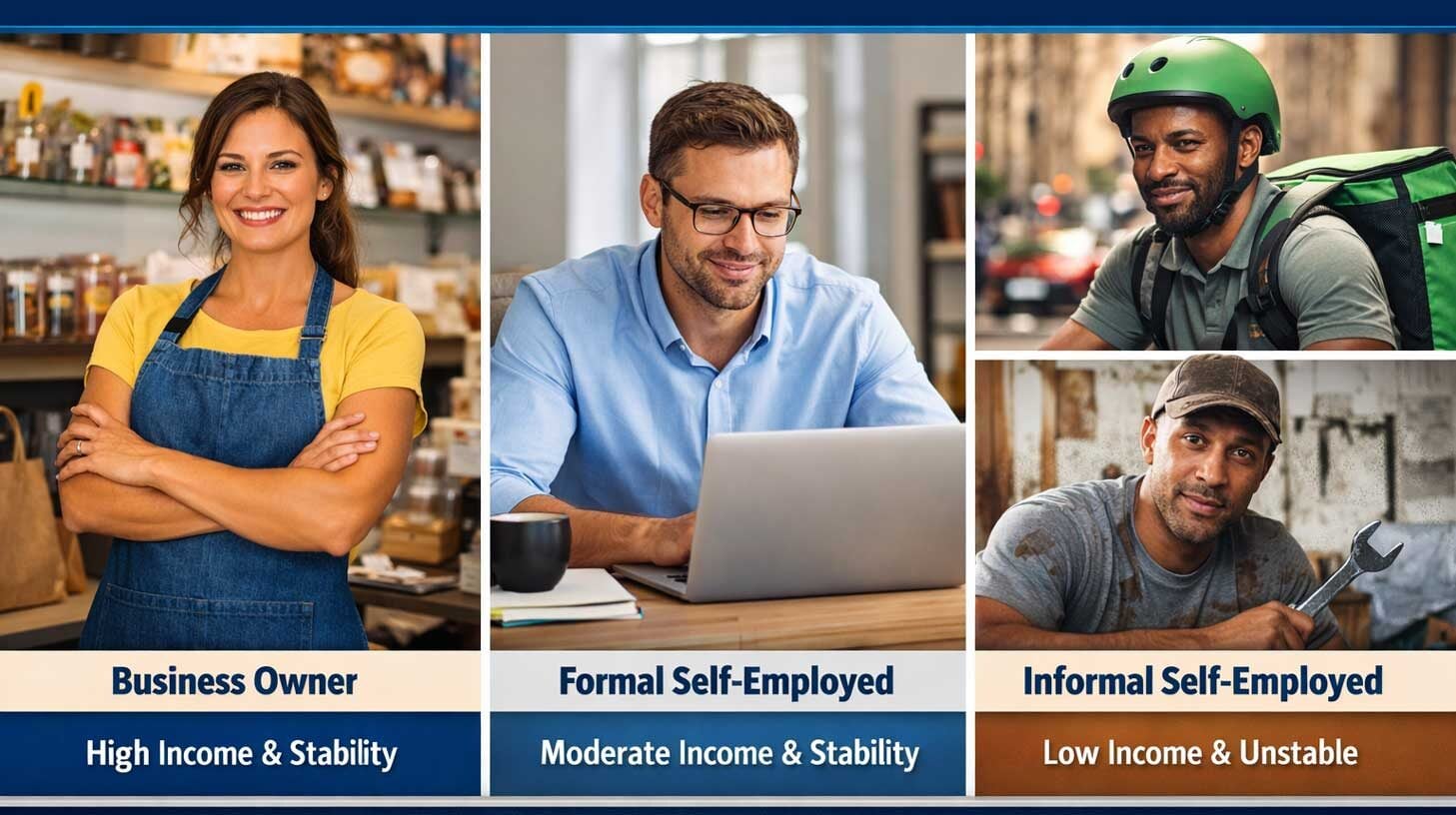
ANN ARBOR—Not all self-employment guarantees financial security, with informal arrangements posing the greatest risks to well-being for many workers. Using machine learning to classify self-employment, a new University of Michigan study analyzed narrative job descriptions from the 2003-2019 Panel Study of Income Dynamics, a longitudinal dataset with approximately 10,000 U.S. families. They divided self-employment into… Continue reading Not all gigs are equal: Informal self-employment linked to lower pay, poorer health and instability
Coffee and Donuts with the SRC Director Hosted by the Life Course Development Program
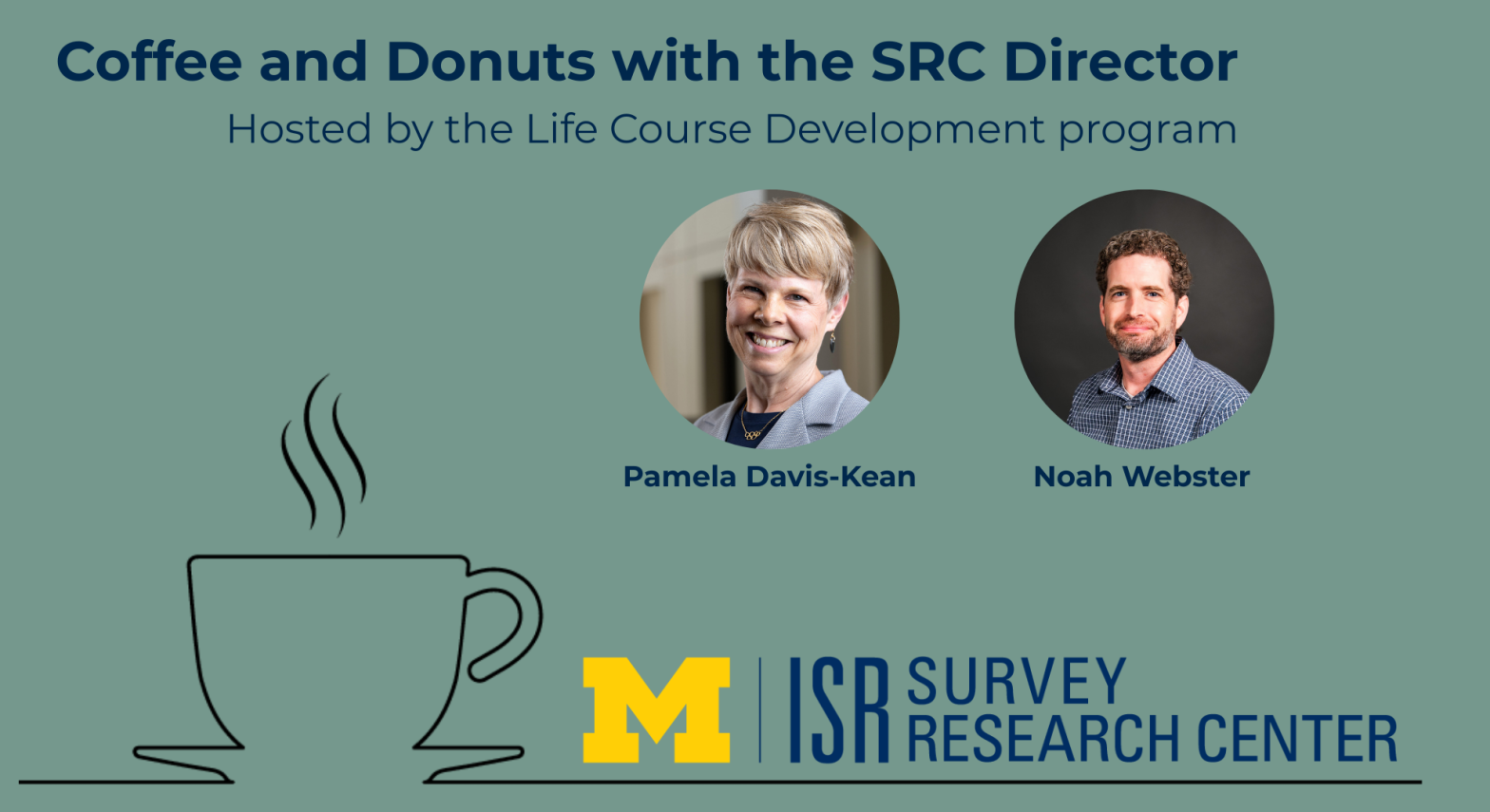
The Life Course Development (LCD) program hosted January’s Coffee and Donuts with the SRC Director. Pamela Davis-Kean and Noah Webster chatted about the work LCD does and how important all social ties are to healthy aging. Noah Webster’s research with the Life Course Development (LCD) program examines the impact of social ties on healthy aging… Continue reading Coffee and Donuts with the SRC Director Hosted by the Life Course Development Program
The real world impact of ISR research: Philippa Clarke
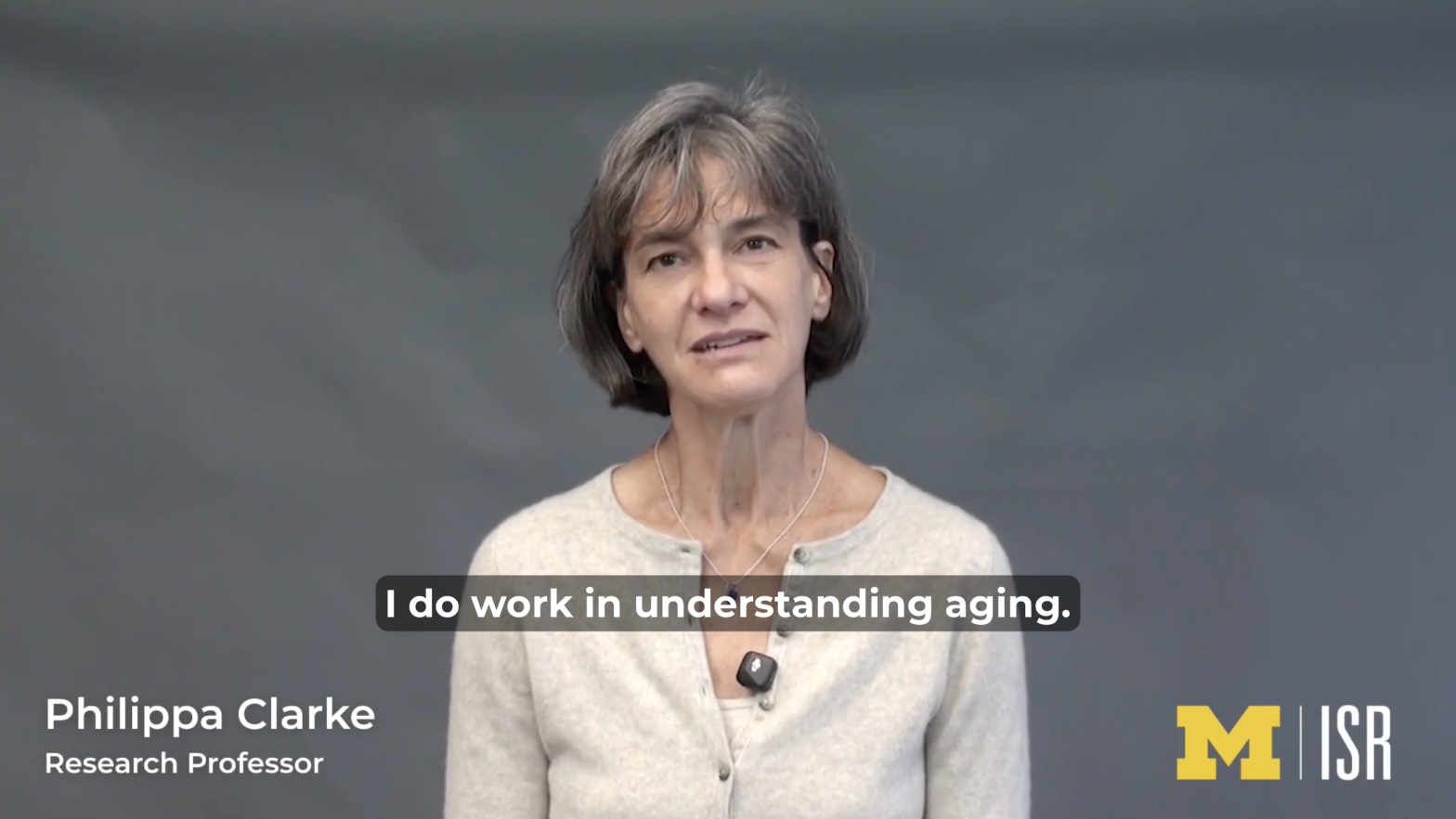
In this video, Philippa Clarke, research professor in ISR’s Survey Research Center, discusses the importance of neighborhood factors in understanding how we can age well. I do work in understanding aging. In particular, I’m very interested in understanding how people live in their communities and get around in their neighborhoods. So my work always integrates… Continue reading The real world impact of ISR research: Philippa Clarke