
ANN ARBOR — People forced to breathe polluted air may be shortening their lives one breath at a time. People living within a 25-kilometer high-pollution buffer zone lived about four fewer years on average than their peers in less polluted areas according to a new study led by Reed DeAngelis of Michigan’s Institute for Social… Continue reading New paper finds there may be no safe level of air pollution exposure
News Tag: Poverty & Inequality
The real world impact of ISR research: Jeremy Levine
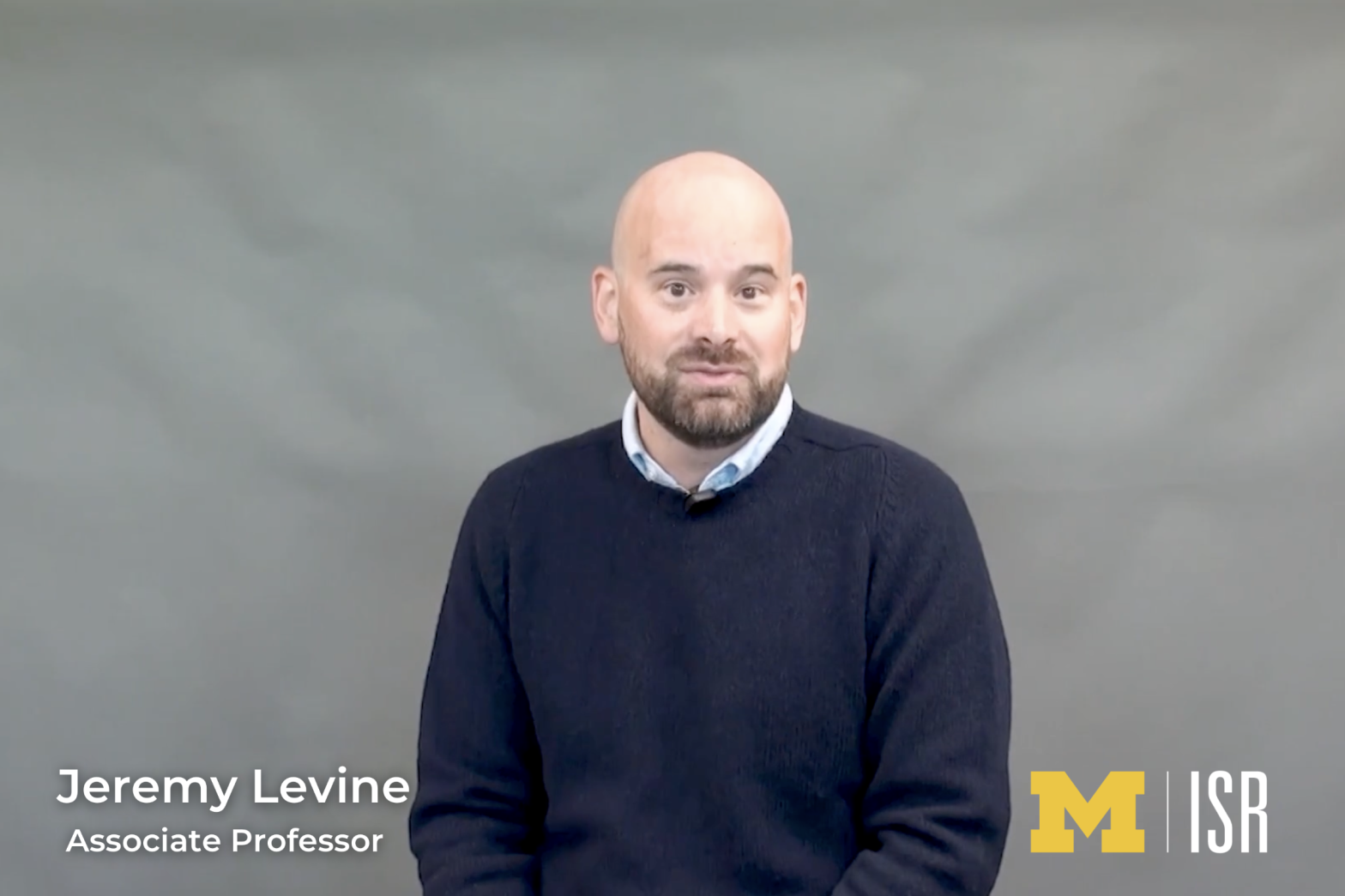
In this video, Jeremy Levine, Faculty Associate in the Stone Center for Inequality Dynamics at ISR, explains why victim compensation laws often fail to benefit victims of crime. I study the inequalities in the criminal legal system. Specifically, I study laws that are supposed to benefit crime victims. But what I find in my research… Continue reading The real world impact of ISR research: Jeremy Levine
Center for Inequality Dynamics receives $5M gift from Stone Foundation

As economic disparities reach historic levels, the University of Michigan is renewing its commitment to investigating causes of social inequality. A $5 million gift from the Stone Foundation will allow the James M. and Cathleen D. Stone Center for Inequality Dynamics to sustain its critical work to produce research and address rising wealth inequality. By… Continue reading Center for Inequality Dynamics receives $5M gift from Stone Foundation
Births down, wages up: U-M study links historic birth rate drop to closing gender pay gap

ANN ARBOR—As the U.S. birth rate reaches historic lows in 2025, these declines fuel economic change as the year comes to an end. A University of Michigan study showed that low U.S. fertility has led to gains in pay equity. Eight percent of the narrowing gender pay gap came from women having fewer children. The… Continue reading Births down, wages up: U-M study links historic birth rate drop to closing gender pay gap
Real world impact of ISR research: Noura Insolera
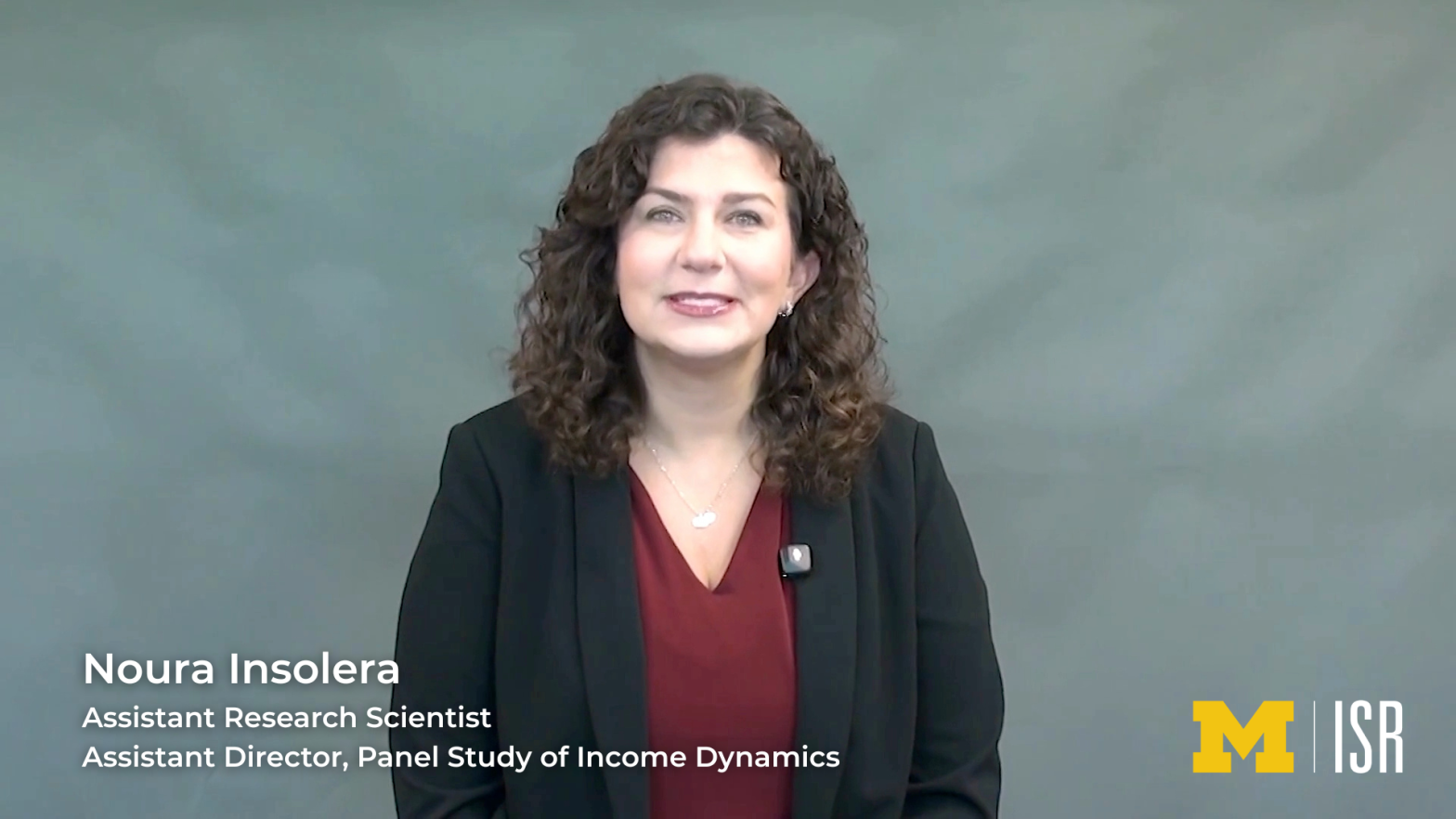
In this video, Noura Insolera, assistant research scientist at ISR and the assistant director of the Panel Study of Income Dynamics (PSID), discusses how families move into and out of food insecurity over time, and longitudinal data from the PSID allows researchers to see how these shifts occur. Something I think that most people may… Continue reading Real world impact of ISR research: Noura Insolera
New paper tracks changes to food insecurity during the COVID-19 pandemic

New paper tracks changes to food insecurity during the COVID-19 pandemic ANN ARBOR — The COVID-19 pandemic threw the world into chaos in wide-ranging and unexpected ways. The virus affected elements of societal infrastructure, both large and small, and disrupted key services and systems as different areas of the country handled shutdowns in different ways.… Continue reading New paper tracks changes to food insecurity during the COVID-19 pandemic
PSC and Stone Center Trainees Win ASA Recognitions for Work on US Inequality

The University of Michigan distinguished itself this week as the most awarded university at the annual conference of the American Sociological Association (ASA) in Chicago, sweeping in 19 awards– 11 of them from the university’s Department of Sociology. Two of the ASA recognitions went to trainees of the Population Studies Center’s training program and affiliates… Continue reading PSC and Stone Center Trainees Win ASA Recognitions for Work on US Inequality
Institute for Social Research and University of Michigan College of Engineering select three projects for 2025 Rural Life Program grants

ANN ARBOR — Now in its third year, the joint Rural Life Program maintained by the University of Michigan’s Institute for Social Research and College of Engineering has selected three new projects aimed at an in-depth look at key issues of rural life. “The Rural Life Program is a highlight of ISR’s commitment to interdisciplinary… Continue reading Institute for Social Research and University of Michigan College of Engineering select three projects for 2025 Rural Life Program grants
Research Shows Economic Consequences of Divorce in the US Vary by Gender, Race, and Ethnicity

Recent research led by University of Michigan sociologist Pamela Smock has shown that the economic consequences of divorce vary substantially– not only on the basis of gender, which has long been established, but also on the basis of race and ethnicity. Findings published in the Journal of Family and Economic Issues documented disparate effects of… Continue reading Research Shows Economic Consequences of Divorce in the US Vary by Gender, Race, and Ethnicity
Multi-generational data to reveal effects of persistent disadvantage on young children’s health
ANN ARBOR – Emily Treleaven, Research Assistant Professor with the Survey Research Center and an affiliate of the Population Studies Center at the University of Michigan Institute for Social Research, has received R01 funding from the Eunice Kennedy Shriver National Institute of Child Health and Human Development (NICHD) to assess how persistent, intergenerational social and economic disadvantages shape… Continue reading Multi-generational data to reveal effects of persistent disadvantage on young children’s health