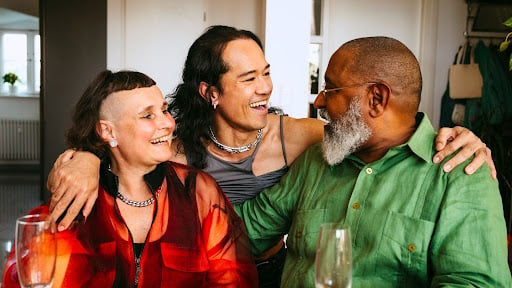
University of Michigan team explores connections between non-LGBTQ+ and LGBTQ+ people of all ages, and the health and social experiences of LGBTQ+ people over 50 People over 50 are growing older in a very different environment for LGBTQ+ people than the one they grew up in. Now, a new University of Michigan poll looks at… Continue reading Most people over 50 have LGBTQ+ friends or family, but LGBTQ+ people over 50 face more aging-related challenges, poll finds
News Tag: Aging & Retirement
Who should pay for older adults’ care? Caregivers answer differently
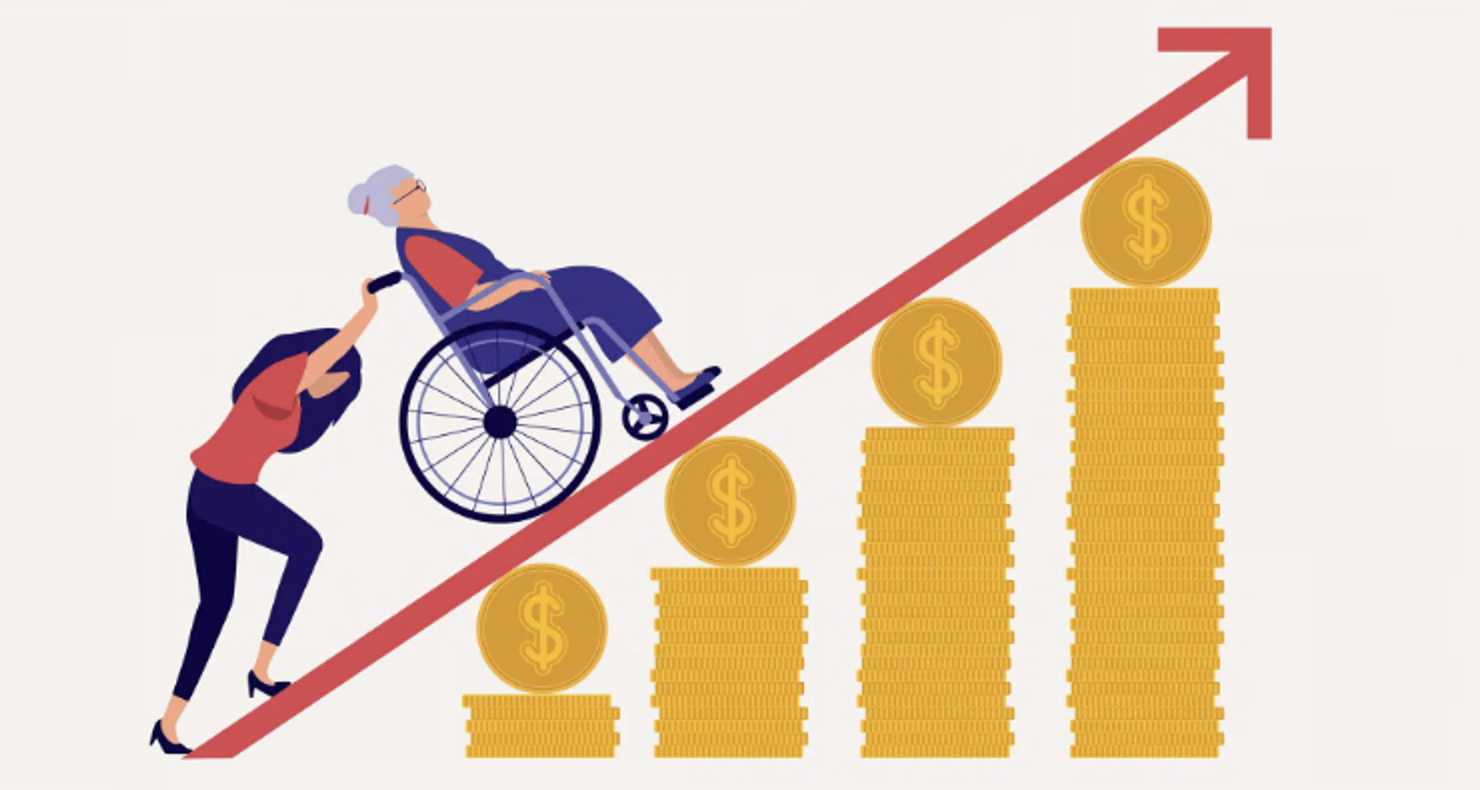
Levels of concern about costs of long-term care, and access to it, are higher among those who are unpaid caregivers to people over 65, compared with those who aren’t. When it comes to opinions about paying for, and getting access to, care for older adults, direct experience appears to matter a lot, a new University… Continue reading Who should pay for older adults’ care? Caregivers answer differently
Aging and the immune system

New research untangles massive datasets to build tools, uncover clues on how we age WHAT’S THE STUDY: A team of University of Michigan experts in biostatistics, public health, medical research and population studies has received a grant from the U.S. Department of Health and Human Services, National Institutes of Health, to develop advanced statistical and computational… Continue reading Aging and the immune system
Michigan Minds podcast: The elder care gap—family duty vs. reality
It begins with a single, panicked phone call about a fallen parent or a flickering memory, but it is quickly becoming the defining white noise of a nation. As the American population ages and family structures splinter, a quiet domestic struggle has escalated into a pressing national inquiry: Who is actually responsible for our elders?… Continue reading Michigan Minds podcast: The elder care gap—family duty vs. reality
Researchers use data from Health and Retirement Study to create new health-tracking index for older Americans
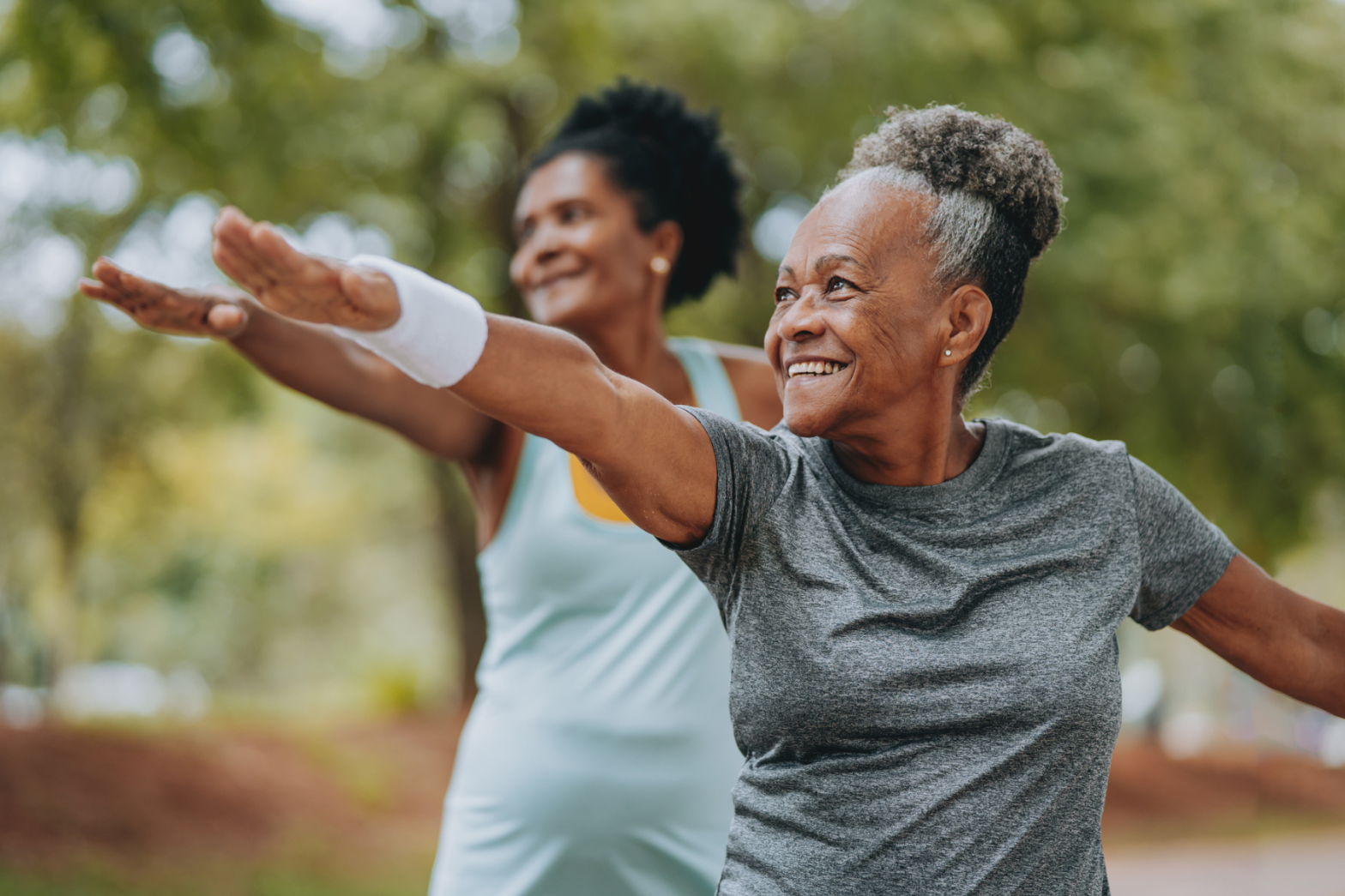
ANN ARBOR — Using data from the Health and Retirement Study (HRS), researchers at the University of Michigan and Florida State University have developed a new, 10-item health survey to assess a variety of health conditions. The IAM+ index assesses numerous areas of an individual’s health, including overall health and fitness, eyesight, hearing, and memory.… Continue reading Researchers use data from Health and Retirement Study to create new health-tracking index for older Americans
Study pairs key air pollutants with home addresses to track progression of lost mobility through disability

Research traces 10 years of exposure to deteriorating mobility in older Americans A University of Michigan study has taken a fine-grained, long-term look at residential-area air pollution and how it relates to deteriorating mobility—and hindered recovery—for older Americans. By pairing and comparing the mobility and disability experiences of 29,790 participants in the national Health and… Continue reading Study pairs key air pollutants with home addresses to track progression of lost mobility through disability
The real world impact of ISR research: Philippa Clarke
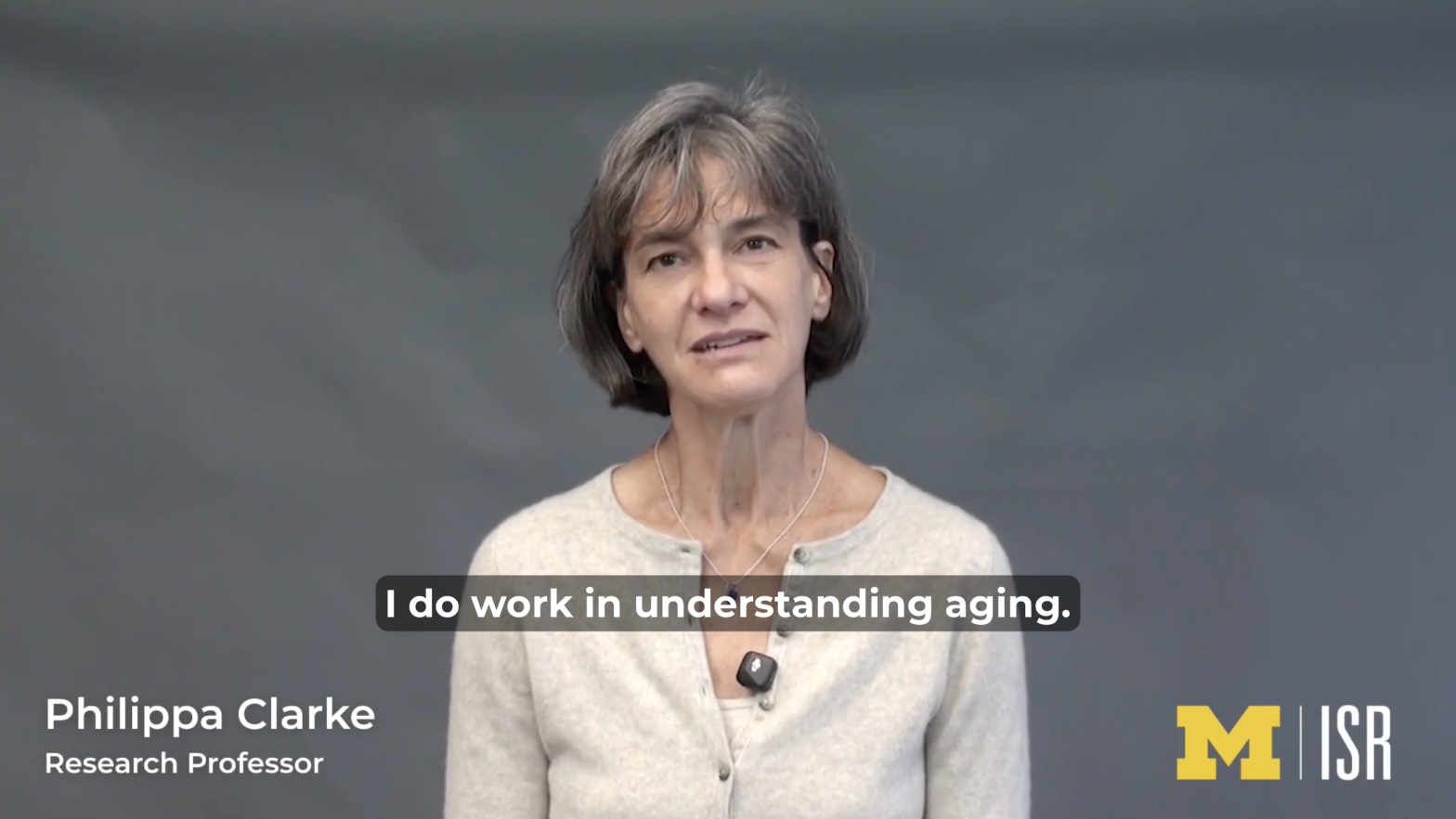
In this video, Philippa Clarke, research professor in ISR’s Survey Research Center, discusses the importance of neighborhood factors in understanding how we can age well. I do work in understanding aging. In particular, I’m very interested in understanding how people live in their communities and get around in their neighborhoods. So my work always integrates… Continue reading The real world impact of ISR research: Philippa Clarke
Family care expectations clash with shrinking availability, dementia needs

ANN ARBOR—Americans believe that the family as a whole—especially a spouse or partner—is responsible for caring for an older adult. Biological and stepchildren have the next highest levels of obligation, according to a new University of Michigan study. Even though with lighter responsibilities, many believe that lifelong friends also should pitch in. And when an… Continue reading Family care expectations clash with shrinking availability, dementia needs
Lingering legacy: Brazil’s ‘dictatorship gen’ faces premature aging

ANN ARBOR—Health disparities between Afro-Brazilians and their white peers are most severe in midlife, not old age. Growing up under authoritarian rule put these groups at a greater disadvantage than older generations who experienced early life in more democratic governments. A new University of Michigan study reveals that for many Black (preto) and Brown (pardo) Brazilians, difficulty… Continue reading Lingering legacy: Brazil’s ‘dictatorship gen’ faces premature aging
Poor vision plus unsafe homes drive higher fall risk in seniors
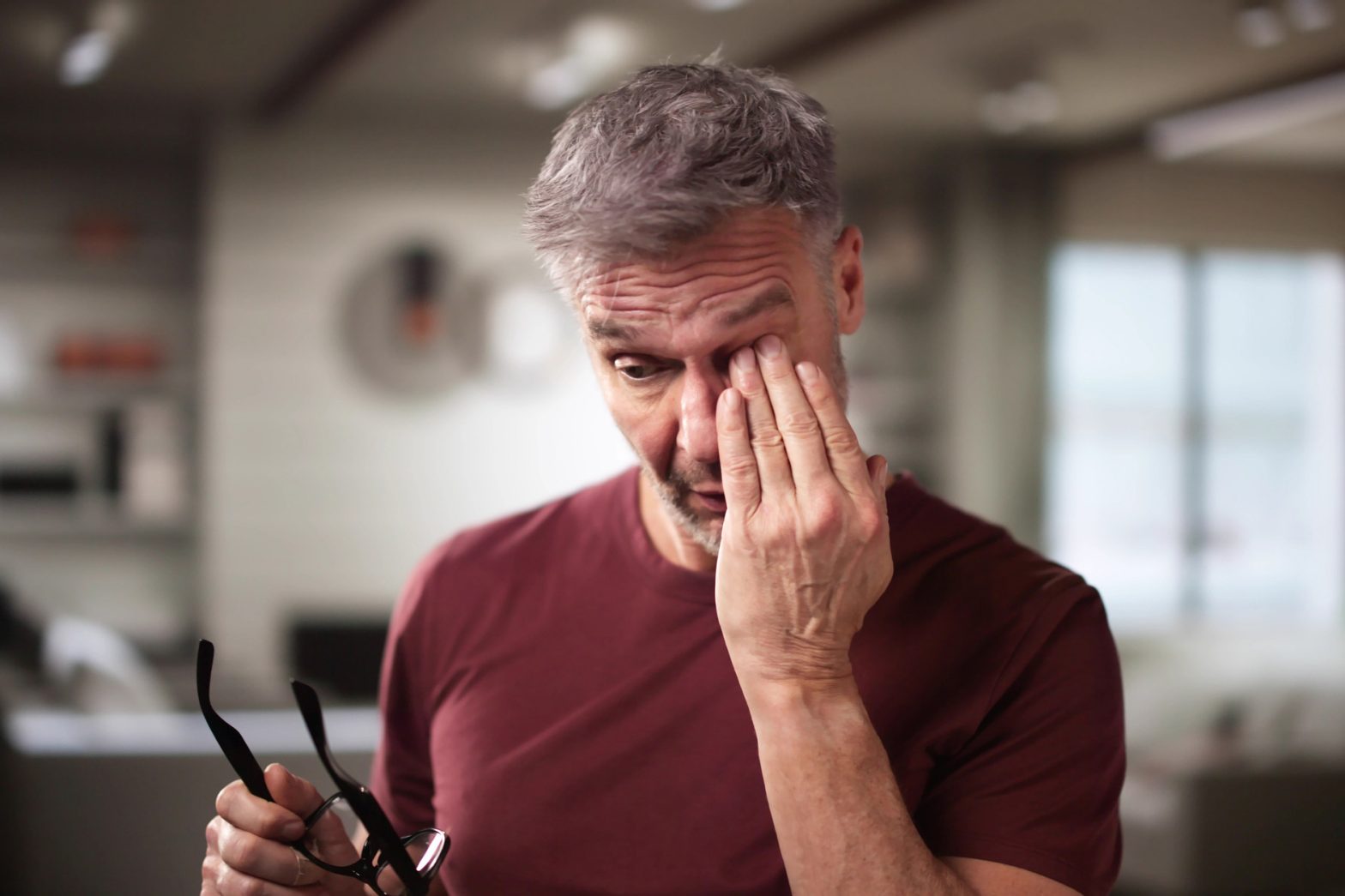
ANN ARBOR—Older adults with severe vision loss are three to four times more likely to fall when they live in homes with hazards such as missing grab bars, tripping risks or broken flooring. A new University of Michigan study, supported by the National Eye Institute, finds that it’s not just that poor vision increases fall risk or… Continue reading Poor vision plus unsafe homes drive higher fall risk in seniors