
This project aims to address the need for robust, rigorous and computationally efficient methods for optimizing Just-In-Time Adaptive Interventions (JITAIs) to prevent and treat substance use disorders (SUD). Although the proposed methods are motivated by micro randomized trials (MRTs) in SUD, they can be extended to observational studies and employed to develop effective JITAIs in… Continue reading Novel Methods to Inform mHealth Interventions for Substance Use
Research Theme: SRC
The Effects of COVID-19 on Long Term Care for High-Need Older Adults with and without Alzheimer’s Disease and Related Dementias
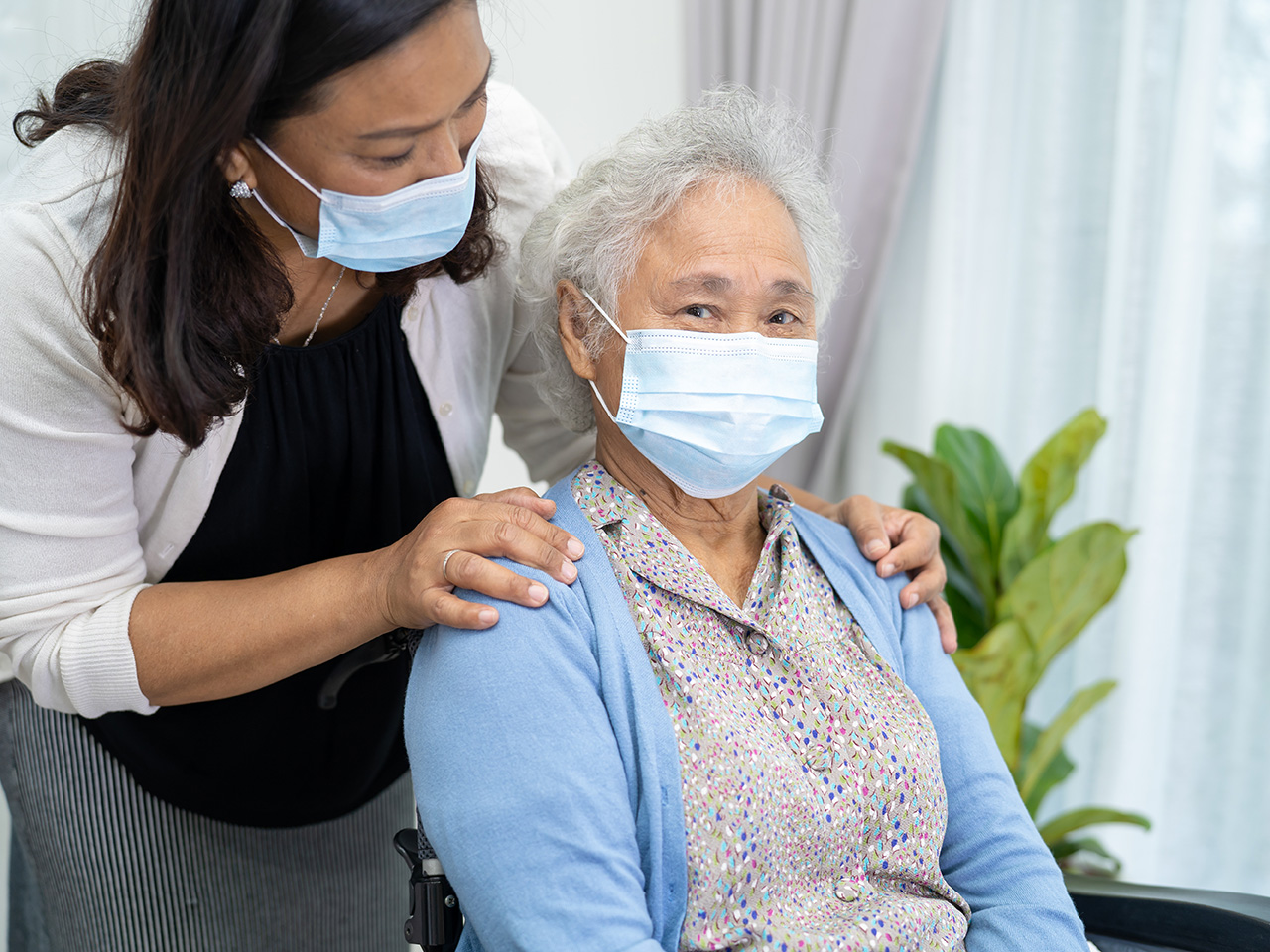
The overarching aim of this study is to assess the immediate and longer-term effect of the COVID 19 pandemic on the use of long-term services and supports by high-need older adults living in the US and to understand how these impacts differ for those living with Alzheimer’s Disease and Related Dementias (ADRD). We will draw… Continue reading The Effects of COVID-19 on Long Term Care for High-Need Older Adults with and without Alzheimer’s Disease and Related Dementias
New York City Housing and Vacancy Survey (NYCHVS)

The New York City Housing and Vacancy Survey (NYCHVS) is a citywide, representative survey of New York City’s housing stock and population conducted about every three years. The NYCHVS collects data in neighborhoods, in all five boroughs, and focuses on representing all New Yorkers—regardless of who they are or where they live. All of this… Continue reading New York City Housing and Vacancy Survey (NYCHVS)
Improving Measurement of Community Safety Perceptions with Enhanced Data Inclusivity and Novel Use of Small Area Estimation through Population – Based Hybrid Sampling: A Pilot Study in Detroit, Michigan

The proposed study aims to implement a pilot project in the City of Detroit (n=1,200) with a novel, yet practical sampling approach designed to maximize coverage of microgeographies (Census block groups in our case) as well as inclusivity of groups who may be underrepresented in traditional sample surveys due to, for example, nonresponse and may… Continue reading Improving Measurement of Community Safety Perceptions with Enhanced Data Inclusivity and Novel Use of Small Area Estimation through Population – Based Hybrid Sampling: A Pilot Study in Detroit, Michigan
Evaluation of the Kinship Care Navigator Program in Mississippi: Child Welfare Outcomes and Family Resource Needs

Kinship care, where relatives or close family friends care for children, has deep historical roots in many communities. Kin caregivers often need resources like financial help, child care, health care, transportation, and legal services. Mississippi’s Kinship Care Navigator Program (KCNP) connects caregivers to these supports, but demand exceeds supply, leaving many on waitlists. Although early… Continue reading Evaluation of the Kinship Care Navigator Program in Mississippi: Child Welfare Outcomes and Family Resource Needs
Determining What is Right for Whom: A Hybrid Experimental Clinical Trial of Tailored Intervention Sequencing to Maximize Effectiveness of PTSD Treatment

Cognitive Processing Therapy (CPT) and Prolonged Exposure (PE) are the most effective treatments for PTSD; however, up to 41% of patients do not improve significantly. It remains unclear how best to adapt treatment when patients show early non-response or struggle with between-session homework. To address this, our team developed the Hybrid Experimental Design (HED), a… Continue reading Determining What is Right for Whom: A Hybrid Experimental Clinical Trial of Tailored Intervention Sequencing to Maximize Effectiveness of PTSD Treatment
Sensory Aging, Late-Life Wellbeing, and ADRD Research Infrastructure to Catalyze Practice and Policy
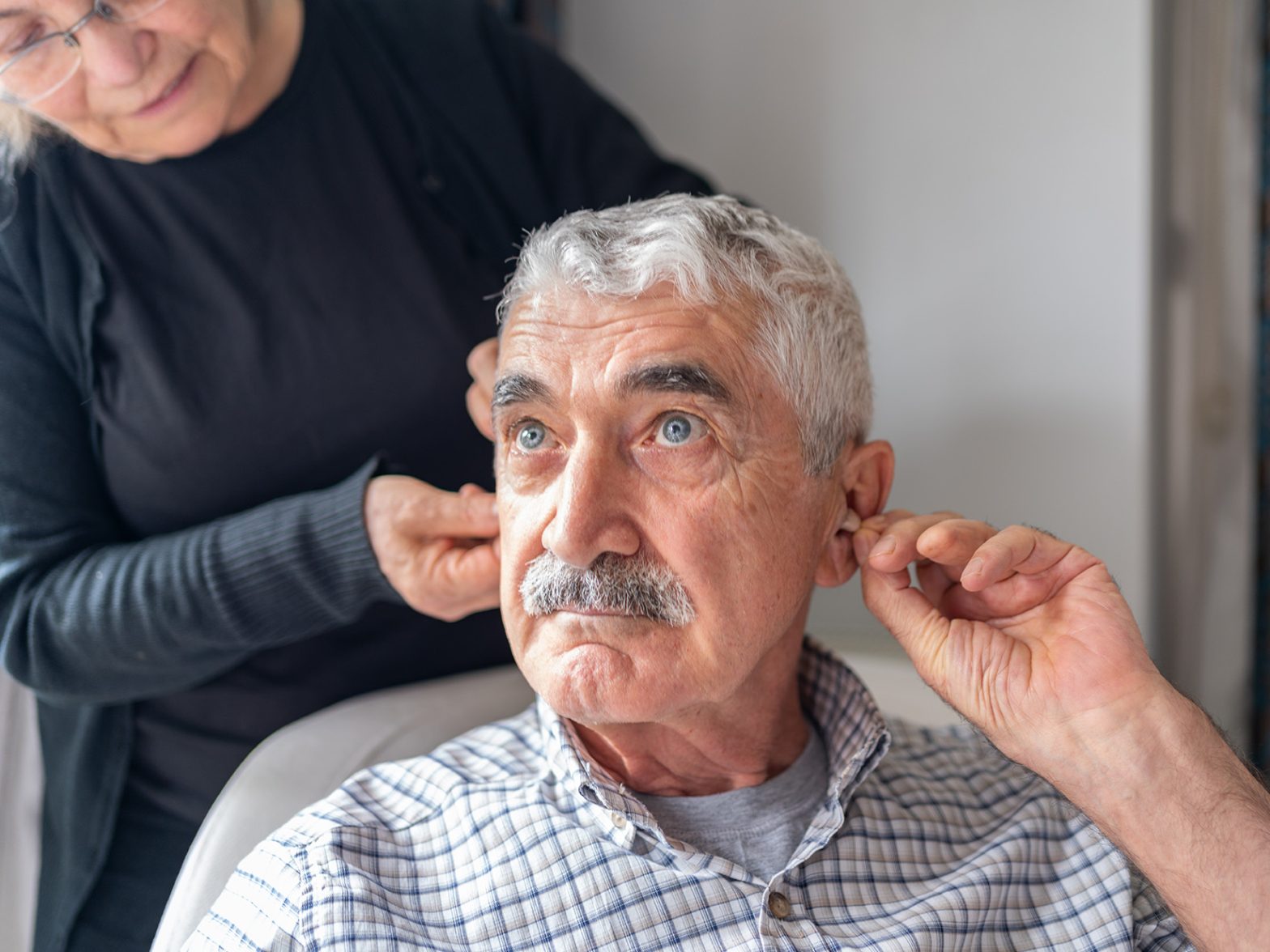
The goal of this project is to substantially strengthen a small but successful collaborative, international network the SENSE Network to accelerate and translate innovative research in sensory aging, Alzheimers Disease and Related Dementias (ADRD) and late-life wellbeing. The principal investigators launched the SENSE Network in September 2020. Building on past successes, we propose to leverage… Continue reading Sensory Aging, Late-Life Wellbeing, and ADRD Research Infrastructure to Catalyze Practice and Policy
Daily Experiences and Well-being among Spousal Caregivers for Older Adults Experiencing Lewy Body Dementia

The purpose of this study is to examine the daily lives of Lewy Body Dementia (LBD) caregivers and the links between LBD symptoms and caregiver well-being throughout the day. We will generate a rich and novel dataset to examine caregiving for LBD core symptoms in addition to symptoms shared by other dementias.
Characterizing upstream environmental, social, and economic determinants of health and their association with cancer-related health outcomes

This proposal seeks to characterize the upstream conditions identified by this framework in the persistent, current, and low poverty census tracts in the Karmanos Cancer Institute (KCI) catchment area and throughout Michigan by 1) developing a data resource of variables characterizing the upstream factors (social inequities & social justice; institutional environments; and economic, physical, social,… Continue reading Characterizing upstream environmental, social, and economic determinants of health and their association with cancer-related health outcomes
Intergenerational disadvantage and pediatric health disparities in acute respiratory illness and diarrhea

This project seeks to document the frequency and duration of diarrheal disease and acute respiratory infection in early childhood, and assess how intergenerational disadvantage and household and community circumstances shape disparities in children’s health, illness, and healthcare utilization. The results of this project will allow child health programs and health systems to better address health… Continue reading Intergenerational disadvantage and pediatric health disparities in acute respiratory illness and diarrhea