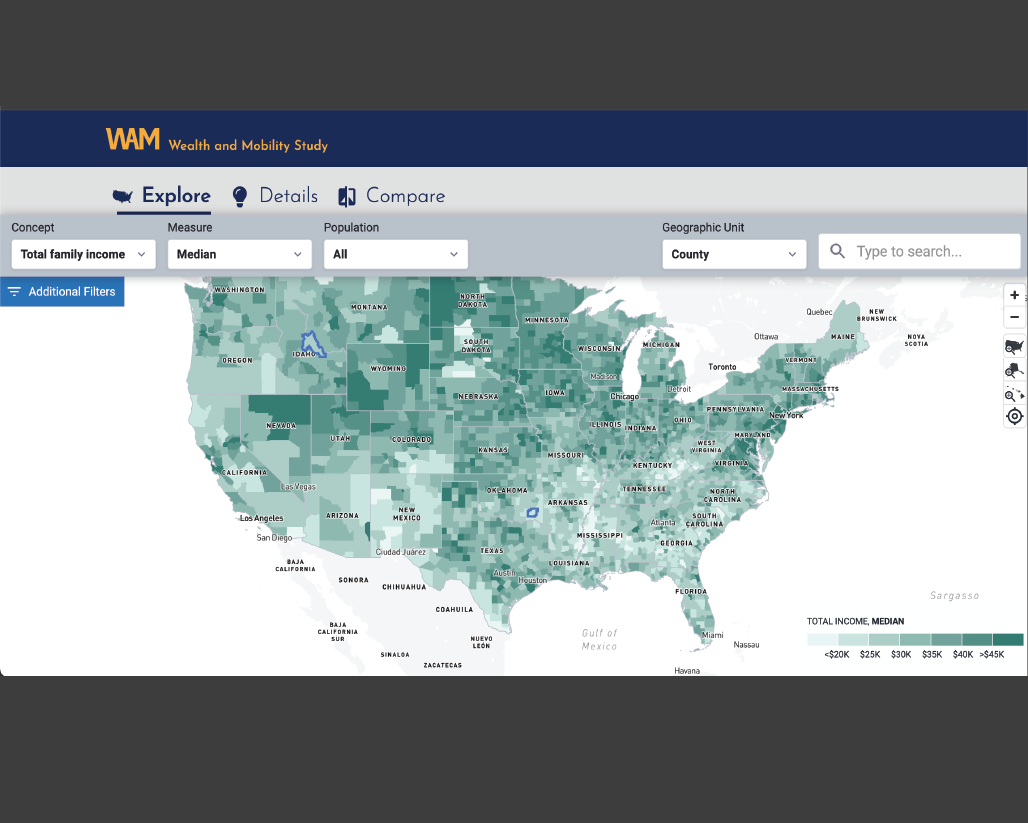
Through secure, direct access to IRS tax records, WAM is finalizing the creation of measures of the income and wealth holdings of the entire U.S. population and their linking across generations, extending pioneering work by Raj Chetty and collaborators, Emmanuel Saez and Gabriel Zucman, and others. WAM will publicly release a large, granular set of… Continue reading Wealth and Mobility Study (WAM)
Research Theme: Poverty & Inequality
Workplace Income Distribution by Social Class in the United States Manufacturing Sector, 1967-2022

Housing, Health, and Disability: The Role of Housing Assistance and Housing Insecurity among Older Adults of Low-Income

Housing insecurity is a pressing public health problem: U.S. rates are the fastest-growing among older adults, one-third of whom spend more than 30% or 50% of their income on housing. Housing insecurity – defined as limited access to and availability of affordable, stable, safe, and adequate housing and neighborhoods – is a risk factor for… Continue reading Housing, Health, and Disability: The Role of Housing Assistance and Housing Insecurity among Older Adults of Low-Income
Social Environment & Health

Since its inception in the early 1960s, the Social Environment and Health Program (SEH) has been a leader in the development of theory and research on the major role of psychosocial factors in the etiology and course of both mental and physical health and illness. Founded as a cross-disciplinary program, the program has been home to The… Continue reading Social Environment & Health
The Mortgage Interest Deduction and the White-Black Wealth Gap, 1984-2021

How has the home mortgage interest deduction affected White-Black wealth gaps over the past several decades? This project will answer this question by using the NBERs TAXSIM program, which calculates federal and state income tax liabilities from typical survey data, to generate novel estimates of the wealth savings that households in the Panel Study of… Continue reading The Mortgage Interest Deduction and the White-Black Wealth Gap, 1984-2021
Landscapes of Population Health

Landscapes of Population Health (“Landscapes”) is an interdisciplinary research collective that includes historians, sociologists, psychologists, epidemiologists, and statisticians who bring their expertise in historical and contemporary racial violence and control, environmental justice, epigenomics, and population health to study the link between structural racism and population health. We bring together critical theories from the humanities and… Continue reading Landscapes of Population Health
Rigby,David Lee

David Rigby is an Assistant Research Scientist in the Landscapes Lab. David’s research interests focus on understanding processes of racialization, the ways that social dynamics and institutions come to be informed by ideas about race, and the pathways through which historical forms of racial violence and social control shape institutions and cultures, impacting the contemporary… Continue reading Rigby,David Lee
Measuring Racial Inequality in Tax Data

A major limitation faced by researchers working within the Internal Revenue Service (IRS) data infrastructure is the absence of any information on race and ethnicity. The same limitation also affects researchers who use tax data in other environments, such as the U.S. Government Accountability Office and the U.S. Department of the Treasury. Additionally, the lack… Continue reading Measuring Racial Inequality in Tax Data
Rollings,Kimberly
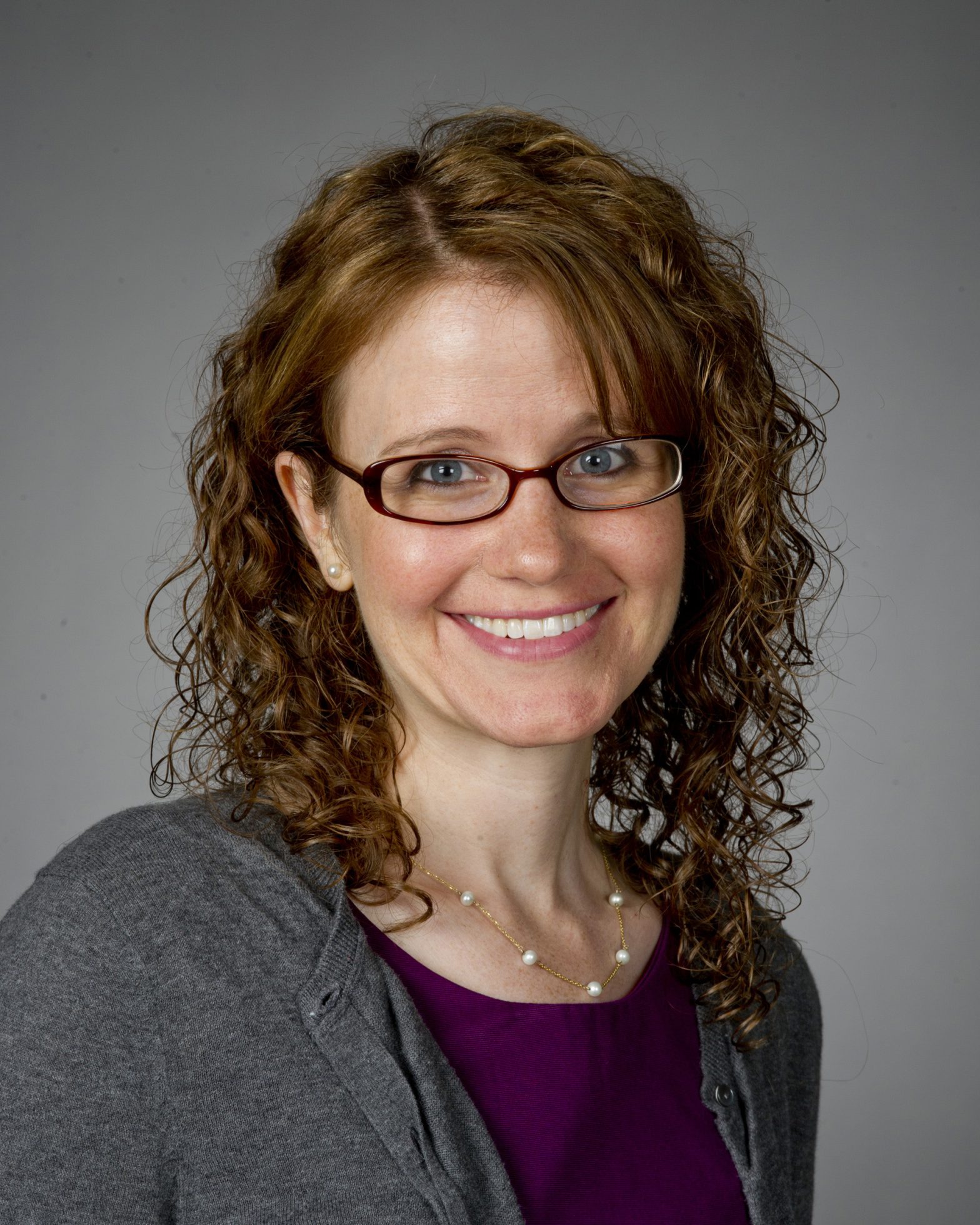
Trained in environmental psychology and architecture, Dr. Rollings’ research examines effects of the built and natural environment on physical and mental health, particularly among vulnerable populations at higher risk of poor health (low-income, children, seniors, unstably housed) within housing and neighborhood settings. Current work focuses on affordable and permanent supportive housing design and health. She… Continue reading Rollings,Kimberly
Crossley,Thomas Fraser

Thomas (Tom) Crossley is Research Professor and Director of the Panel Study for Income Dynamics (PSID). Professor Crossley’s research interests include household behavior (particularly consumption and saving behavior), financial security, and living standards; the design, collection and analysis of survey data; and economic measurement more broadly.