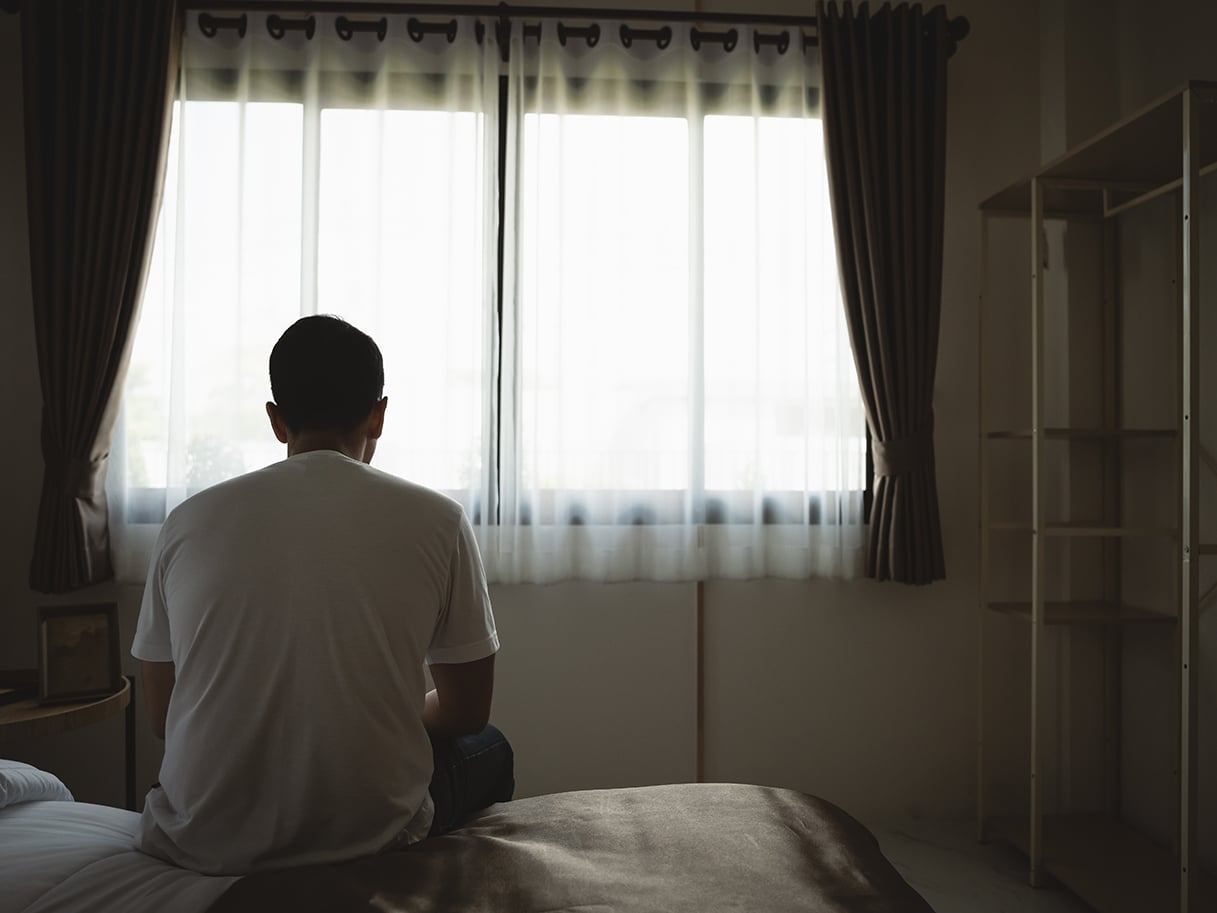
Housing insecurity is a pressing public health problem: U.S. rates are the fastest-growing among older adults, one-third of whom spend more than 30% or 50% of their income on housing. Housing insecurity – defined as limited access to and availability of affordable, stable, safe, and adequate housing and neighborhoods – is a risk factor for… Continue reading Housing, Health, and Disability: The Role of Housing Assistance and Housing Insecurity among Older Adults of Low-Income
Research Theme: Population Health
Social Environment & Health
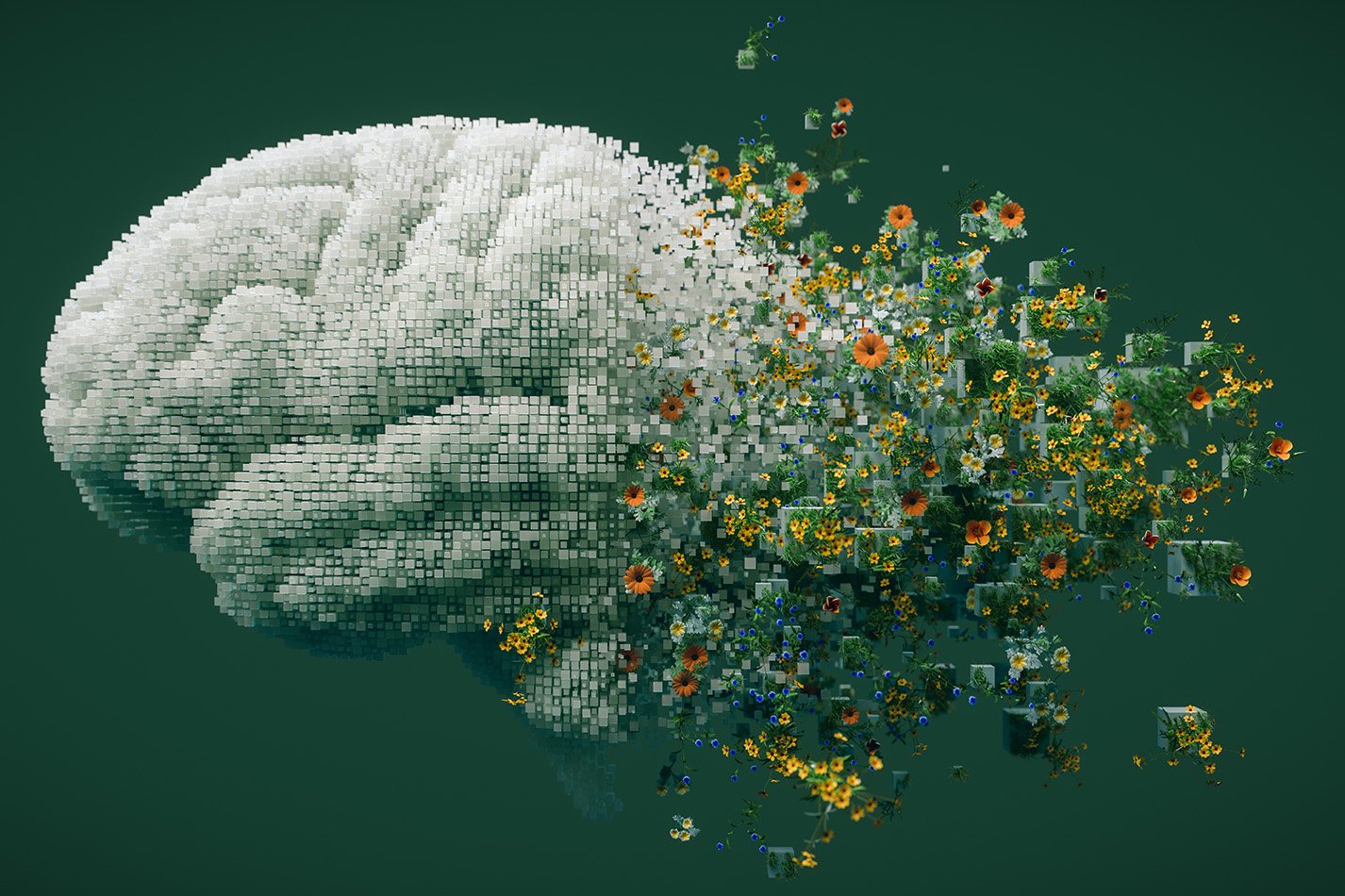
Since its inception in the early 1960s, the Social Environment and Health Program (SEH) has been a leader in the development of theory and research on the major role of psychosocial factors in the etiology and course of both mental and physical health and illness. Founded as a cross-disciplinary program, the program has been home to The… Continue reading Social Environment & Health
Characterizing upstream environmental, social, and economic determinants of health and their association with cancer-related health outcomes

This proposal seeks to characterize the upstream conditions identified by this framework in the persistent, current, and low poverty census tracts in the Karmanos Cancer Institute (KCI) catchment area and throughout Michigan by 1) developing a data resource of variables characterizing the upstream factors (social inequities & social justice; institutional environments; and economic, physical, social,… Continue reading Characterizing upstream environmental, social, and economic determinants of health and their association with cancer-related health outcomes
Intergenerational disadvantage and pediatric health disparities in acute respiratory illness and diarrhea

This project seeks to document the frequency and duration of diarrheal disease and acute respiratory infection in early childhood, and assess how intergenerational disadvantage and household and community circumstances shape disparities in children’s health, illness, and healthcare utilization. The results of this project will allow child health programs and health systems to better address health… Continue reading Intergenerational disadvantage and pediatric health disparities in acute respiratory illness and diarrhea
Mid-Life Health Inequalities in the Rural South: Risk and Resilience
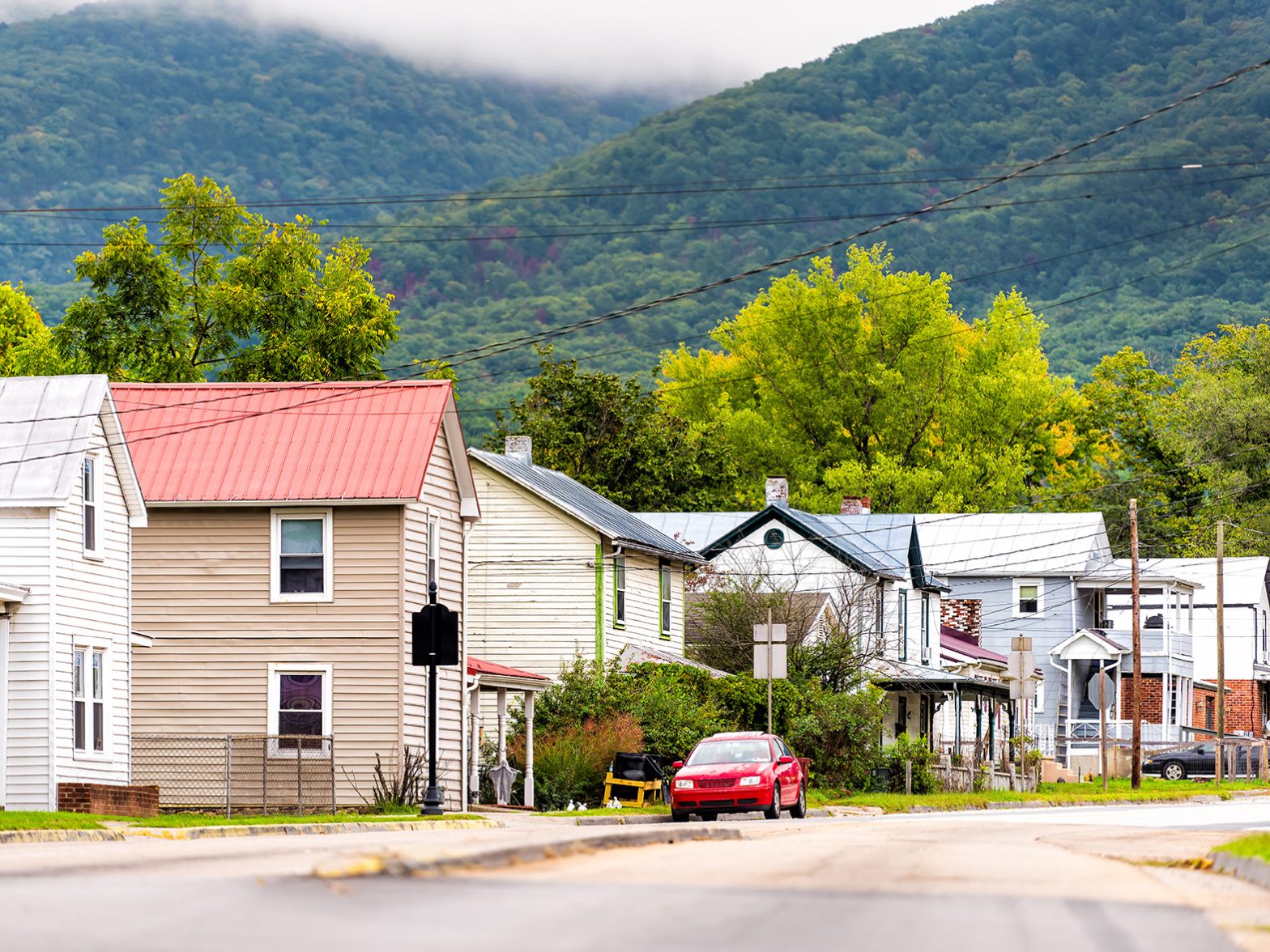
This project proposes to study determinants of mid-life health in the areas most beset by such place-based health inequalities: rural communities in the South and Appalachia. The Survey Research Operations (SRO) will provide sample design services, manage the sample purchase, and provide consultation on sample monitoring and interviewer training. The SRO Director of Sampling Operations… Continue reading Mid-Life Health Inequalities in the Rural South: Risk and Resilience
Seasonal Allergy Blues: Is Mental Health Worse on High Pollen Days?

This project aims to evaluate the impact of local environmental conditions – seasonal pollen – on mental health and death by suicide in the United States and identify contributing factors which would be sensitive to policy intervention.
Exposure to violence and maternal health
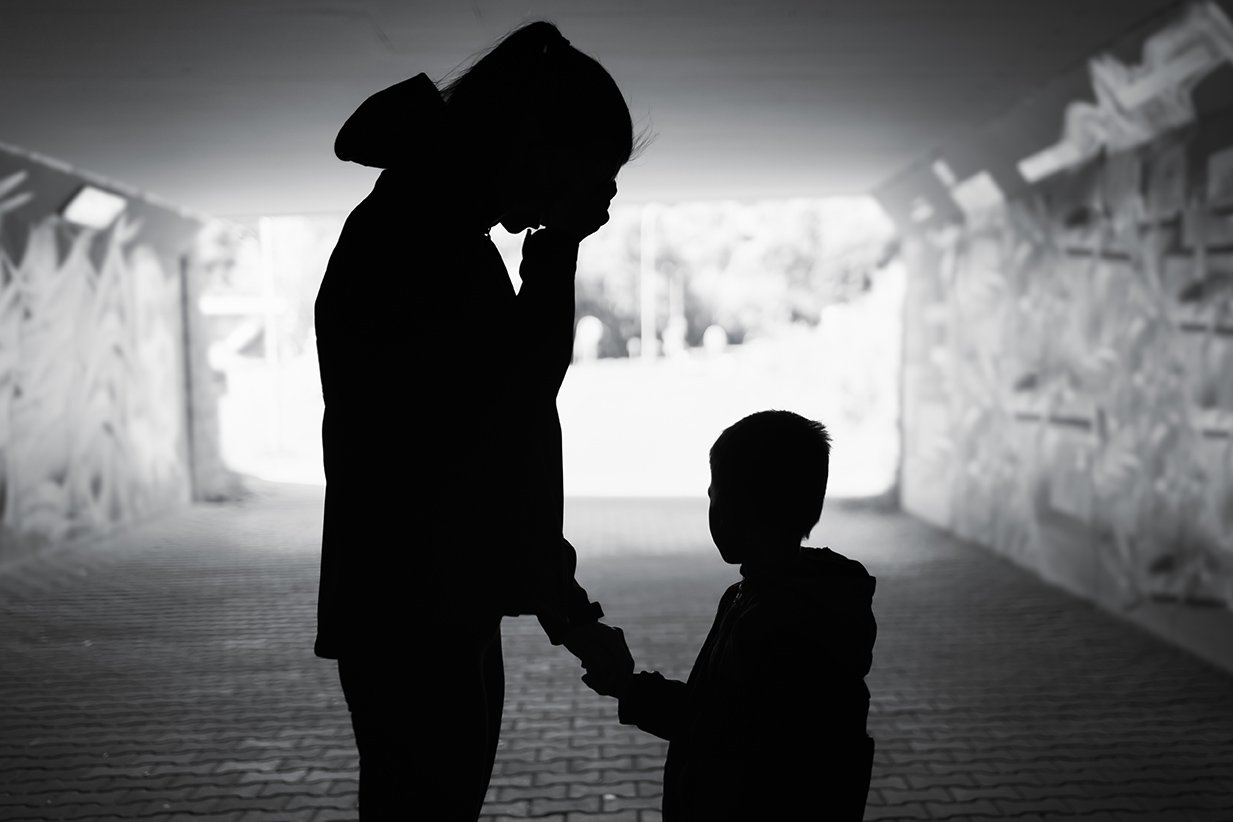
The number of women and children living in close proximity to armed conflict and/or community-based violence has increased globally and in the United States in recent decades. Violence is known to disrupt health service delivery and individuals ability to utilize certain health services, including antenatal care and facility delivery. These disruptions likely contribute to poor… Continue reading Exposure to violence and maternal health
Landscapes of Population Health

Landscapes of Population Health (“Landscapes”) is an interdisciplinary research collective that includes historians, sociologists, psychologists, epidemiologists, and statisticians who bring their expertise in historical and contemporary racial violence and control, environmental justice, epigenomics, and population health to study the link between structural racism and population health. We bring together critical theories from the humanities and… Continue reading Landscapes of Population Health
DeAngelis,Reed Thomas

I am a population health scientist. Broadly, this means I research the interplay between human societies, health, and aging. Most of my work focuses specifically on explaining why certain groups of people live shorter and sicker lives than others. I also investigate how people cope with chronic stress using religion and other social support mechanisms.
Rollings,Kimberly

Trained in environmental psychology and architecture, Dr. Rollings’ research examines effects of the built and natural environment on physical and mental health, particularly among vulnerable populations at higher risk of poor health (low-income, children, seniors, unstably housed) within housing and neighborhood settings. Current work focuses on affordable and permanent supportive housing design and health. She… Continue reading Rollings,Kimberly