
The overall purpose of this research program is to understand how stress and social contexts affect health and the biopsychosocial factors that account for those links. We seek to foster a multidisciplinary collaboration that capitalizes on advances in mobile technology and biopsychosocial methods to gain better understanding of social, psychological and biological factors influencing healthy… Continue reading Aging & Biopsychosocial Innovations
Research Theme: Genomics
Racial inequalities in health throughout adulthood: The cumulative impact of neighborhood chemical and non-chemical stressors on epigenomic pathways

Racial inequalities in healthy aging have been well-documented. Compared to White Americans, Black Americans experience illness and death at early ages and show steeper age-related declines in health. Our neighborhoods, as the site of where we live, learn, play, and pray, may serve as a powerful source of these racial inequalities. Racial residential segregation (which… Continue reading Racial inequalities in health throughout adulthood: The cumulative impact of neighborhood chemical and non-chemical stressors on epigenomic pathways
Epigenetic Mediation of Adverse Social Context on Stress Response, Socioemotional Development, and Health in a Population-based Study of Minority and Low SES Children and Adolescents

Pronounced disparities exist by race, ethnicity, and SES in children and adolescents across a range of health conditions, and many adult health disparities can be traced to childhood social contextual inequalities. Epigenetics — modifications to the genome that are not changes in nucleotide sequence — holds great promise as potential indicators of contextual effects and… Continue reading Epigenetic Mediation of Adverse Social Context on Stress Response, Socioemotional Development, and Health in a Population-based Study of Minority and Low SES Children and Adolescents
Birditt,Kira S

Kira Birditt earned a PhD in Human Development and Family Studies from Pennsylvania State University and B.A. and M.S. degrees in Psychology from Western Washington University. She serves as a Research Associate Professor at the Survey Research Center and the Director of the Aging and Biopsychosocial Innovations Program, both at the University of Michigan Institute… Continue reading Birditt,Kira S
Weir,David R

Dr. Weir is a Research Professor in the Survey Research Center at the Institute for Social Research and Director of the Health and Retirement Study (HRS). He has led the transformation of the HRS into a world-leading biosocial survey combining its traditional excellence as a longitudinal survey with direct biological measures of health, genetics, linked… Continue reading Weir,David R
Smith,Jennifer Ann

Dr. Smith received her Ph.D. in Epidemiology, M.P.H. in Health Management and Policy, and M.A. in Statistics from the University of Michigan. She is currently a Research Assistant Professor in the Department of Epidemiology and Research Assistant Professor in the Survey Research Center at the Institute for Social Research and is affiliated with the Center… Continue reading Smith,Jennifer Ann
Margaret Hicken

Broadly speaking, I examine the ways in which social forces link racial group membership to the risk of poor health, particularly those conditions related to cardiovascular and renal diseases. In the US, despite tremendous resources devoted to the elimination of health inequalities, evidence suggests that they are growing. I would argue that our inability to… Continue reading Margaret Hicken
Erin Ware
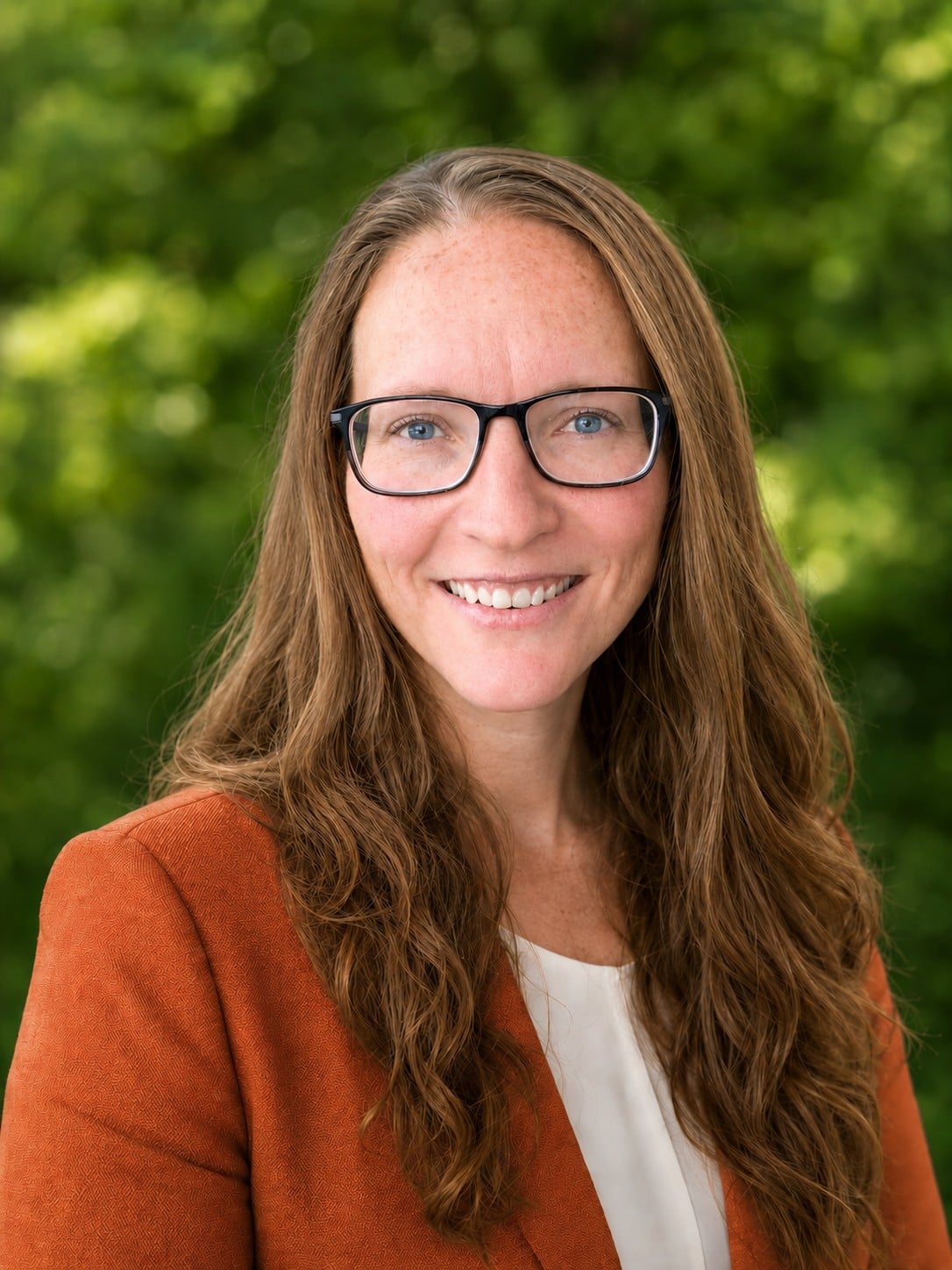
Dr. Ware has a doctoral degree in epidemiology and master’s degrees in statistics and public health. Dr. Ware’s work for has been focused on health disparities in psychiatric epidemiology and high throughput statistical analysis of genomic data and its relationship to outcomes that show marked disparities across race/ethnic groups, socioeconomic groups and sexes. She also… Continue reading Erin Ware
Colter Mitchell

Dr. Mitchell’s research utilizes a range of biological data types such as epigenetics, neuroimaging, and genetics to better understand how social conditions shape population health. In particular his work uses these biomarkers to elucidate pathways by which social inequalities cause health inequalities. This research uses longitudinal population-based studies where biological data are collected at multiple… Continue reading Colter Mitchell
Faul,Jessica Danielle

Jessica Faul is a Research Associate Professor at the Survey Research Center in the Institute for Social Research (ISR) at the University of Michigan. She is the co-director of the Biospecimen Lab at ISR, and is affiliated with the Michigan Center on Demography and Aging (MiCDA), the Center for Social Epidemiology and Population Health (CSEPH),… Continue reading Faul,Jessica Danielle