The Latin American Elections Hub (LATAM-EH) aims to enhance dialogue between the U.S. audience—particularly in Michigan and the Midwest—and Latin America. To achieve this, the hub organizes panels to discuss the most significant elections in the region, their relevance to the U.S., and the associated democratic risks. LATAM-EH also seeks to create a network of… Continue reading Latin American Elections Hub
Research Theme: CPS
Cohesion under Crisis: Concepts, Measures, Implications
The four-year project, “Cohesion under Crisis: Concepts, Measures, Implications,” will investigate the role of social cohesion in weathering crisis, focusing on the Indo-Pacific region: Cambodia, Indonesia, Malaysia, Philippines, and Vietnam. Leveraging the skills of a team of researchers across multiple institutions, the project will develop and assess a new conceptual framework for studying social cohesion… Continue reading Cohesion under Crisis: Concepts, Measures, Implications
Empirical Implications of Theoretical Models (EITM) Summer Institutes
The summer institute on Empirical Implications of Theoretical Models (EITM) facilitates a rigorous and productive dialogue between theoretical and empirical analysis in political science. The EITM research approach is based on the premise that attention to the logical relationships between theoretical models and empirical work can produce improvements in both. The EITM summer institutes provide… Continue reading Empirical Implications of Theoretical Models (EITM) Summer Institutes
Varieties of Democracy (V-Dem)
Academic researchers, policy practitioners, and the general public alike have come to depend on indicators of democracy such as the Freedom House and Polity indexes. Such indicators are used to trace waves of democracy, educate students about world politics, test theories about the causes and consequences of democracy, allocate foreign aid, assess efforts to promote… Continue reading Varieties of Democracy (V-Dem)
RAPID: Quasi-Experiment on the Effect of Disaster-induced Displacement
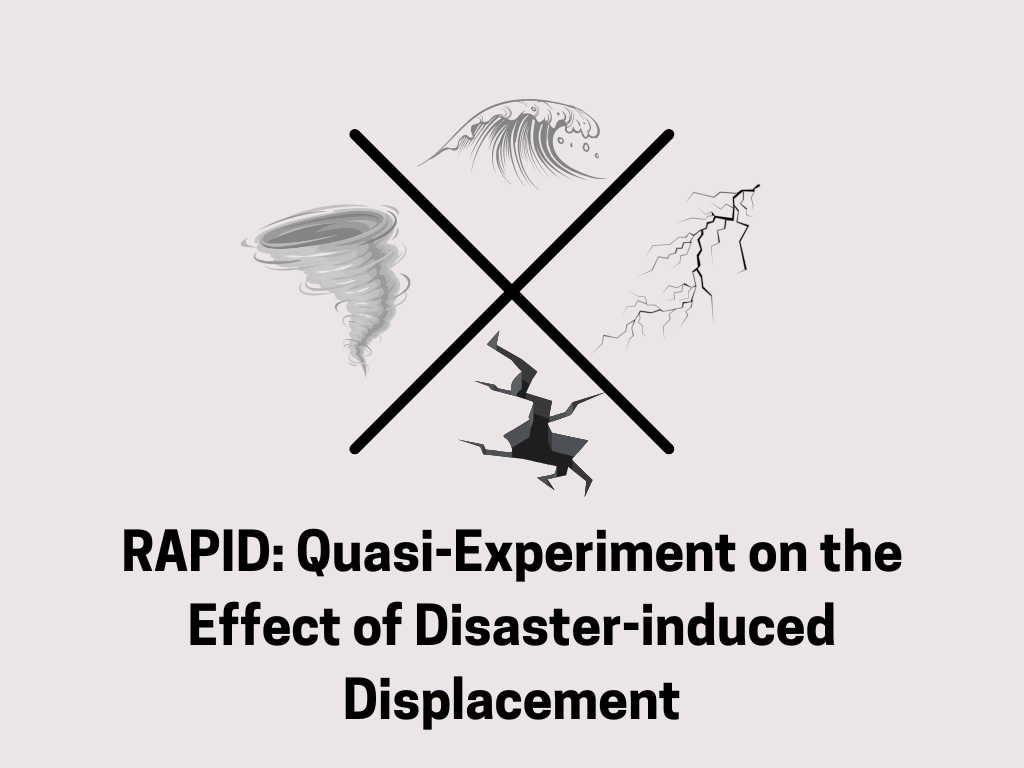
This project examines the political consequences of Hurricane Harvey by studying post-Harvey migration patterns as an event with serious political and economic consequences. This framework examines variations in the decision of displaced individuals to move to different areas and how this affects their associated experience. Researchers also examine how people’s political attitudes change in response… Continue reading RAPID: Quasi-Experiment on the Effect of Disaster-induced Displacement
Micro-Foundations of Conflict Escalation (MiCE)

Micro-Foundations of Conflict Escalation (MiCE) will improve understanding of how and why conflicts escalate. Previous research has, for the most part, treated conflict as an either-or phenomenon. If it has shown any interest in escalation, it has confined itself to pointing to very broad structural factors that increase the risk of a conflict being either… Continue reading Micro-Foundations of Conflict Escalation (MiCE)
Dincecco,Mark

Mark Dincecco is Professor of Political Science at the University of Michigan. His research examines the process of political and economic development both historically and today, with a focus on the drivers of effective governance and its implications for economic prosperity. Dincecco has published numerous articles in leading journals across both political science and economics.… Continue reading Dincecco,Mark
Hagen,Mary
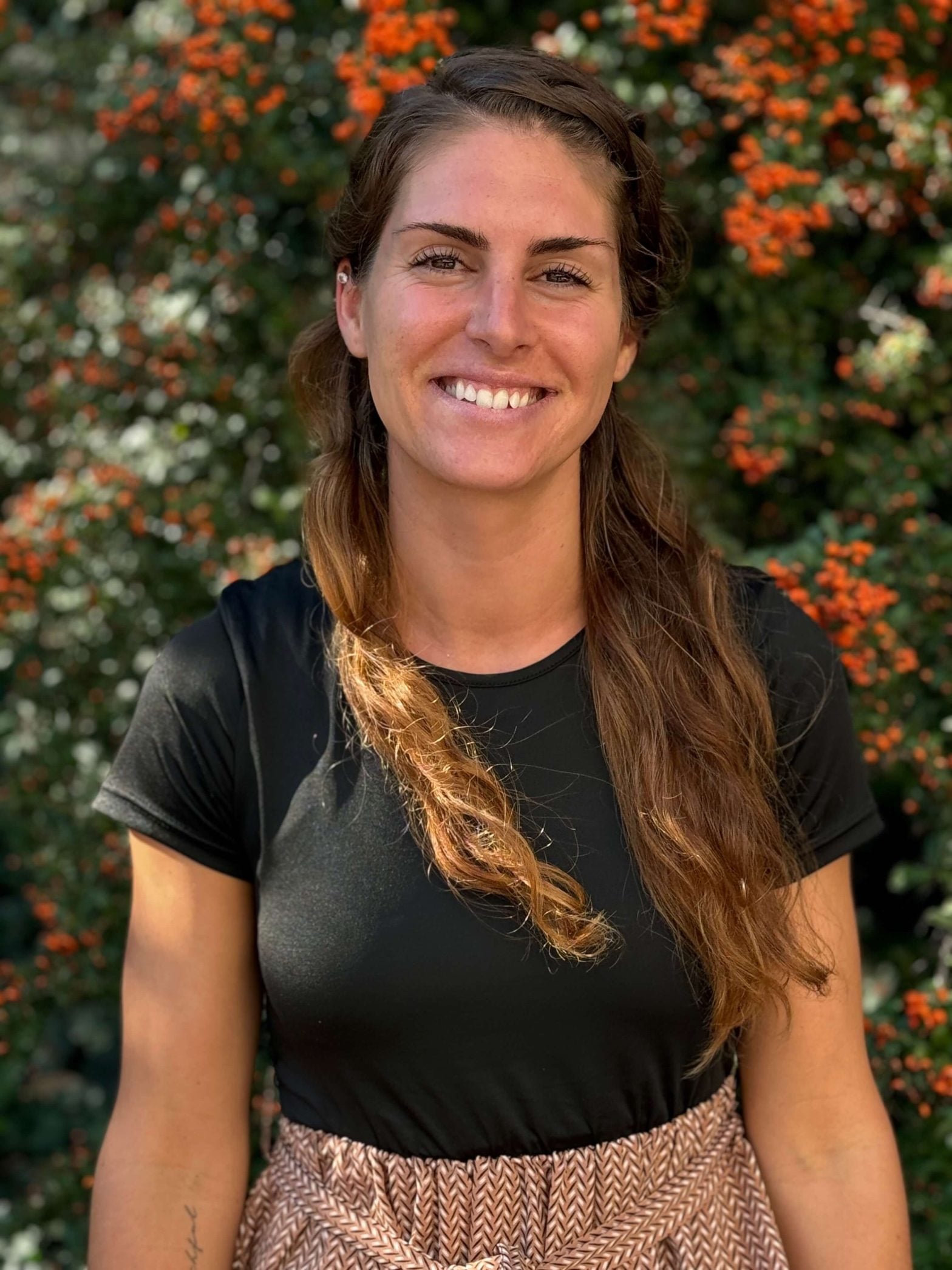
Mary Hagen is an administrative assistant serving as general administrator for the Center of Political Studies.
World Values Survey (WVS)

The World Values Survey (WVS) is an international research program devoted to the scientific and academic study of social, political, economic, religious and cultural values of people in the world. In order to monitor changes in values and understand their implications, the WVS has carried out successive waves of surveys since 1981 in over 120 countries, containing… Continue reading World Values Survey (WVS)
The Puerto Rico Public Opinion Lab | Laboratorio Puertorriqueño de Opinión Pública

Amplifying the Voice and Representation of Puerto Rico The Puerto Rico Public Opinion Lab (PR-POL) is a project that aims to amplify the voice and political representation of people living in Puerto Rico. Specifically, we are designing and administering the first panel survey of a large, representative sample of Puerto Ricans living on the island.… Continue reading The Puerto Rico Public Opinion Lab | Laboratorio Puertorriqueño de Opinión Pública