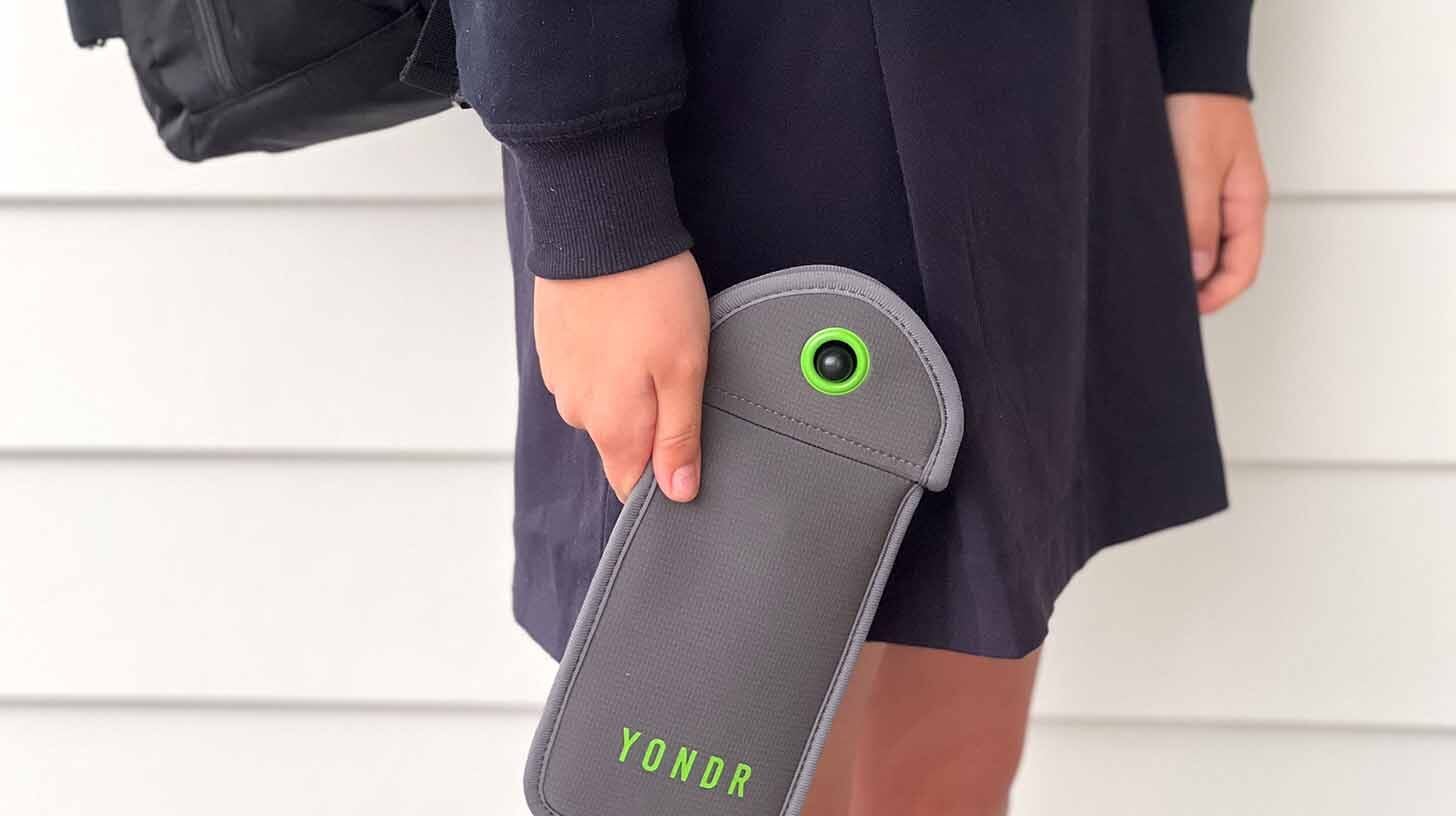
ANN ARBOR—A popular device for restricting cell phone use in middle and high schools is effective at achieving that aim, leading to short-term disruption but ultimately positive effects on student well-being, new research finds. The U.S. study conducted by a University of Michigan researcher and co-authors further reveals the restriction—lockable phone pouches—shows no impact on test scores,… Continue reading Lockable phone pouches in schools improve student well-being over time, not test scores or bullying
Project: Youth Policy Lab
State program significantly reduces homelessness, utility insecurity, U-M report reveals

ANN ARBOR—The pilot of a Michigan program created to help improve health outcomes for pregnant parents and their children shows positive impacts on families, including food and financial security and housing stability, according to a new report from the University of Michigan’s Youth Policy Lab. The report revealed that families participating in the Healthy Moms Healthy Babies pilot project,… Continue reading State program significantly reduces homelessness, utility insecurity, U-M report reveals
Small cash incentives boost participation in Medicaid home visiting program

ANN ARBOR—Offering small cash incentives can significantly increase participation in a Medicaid home visiting program for pregnant people, infants and their families, according to a study by the Youth Policy Lab at University of Michigan. U-M researchers discovered that providing a $20 cash incentive for keeping the initial appointment increased both enrollment and subsequent participation… Continue reading Small cash incentives boost participation in Medicaid home visiting program