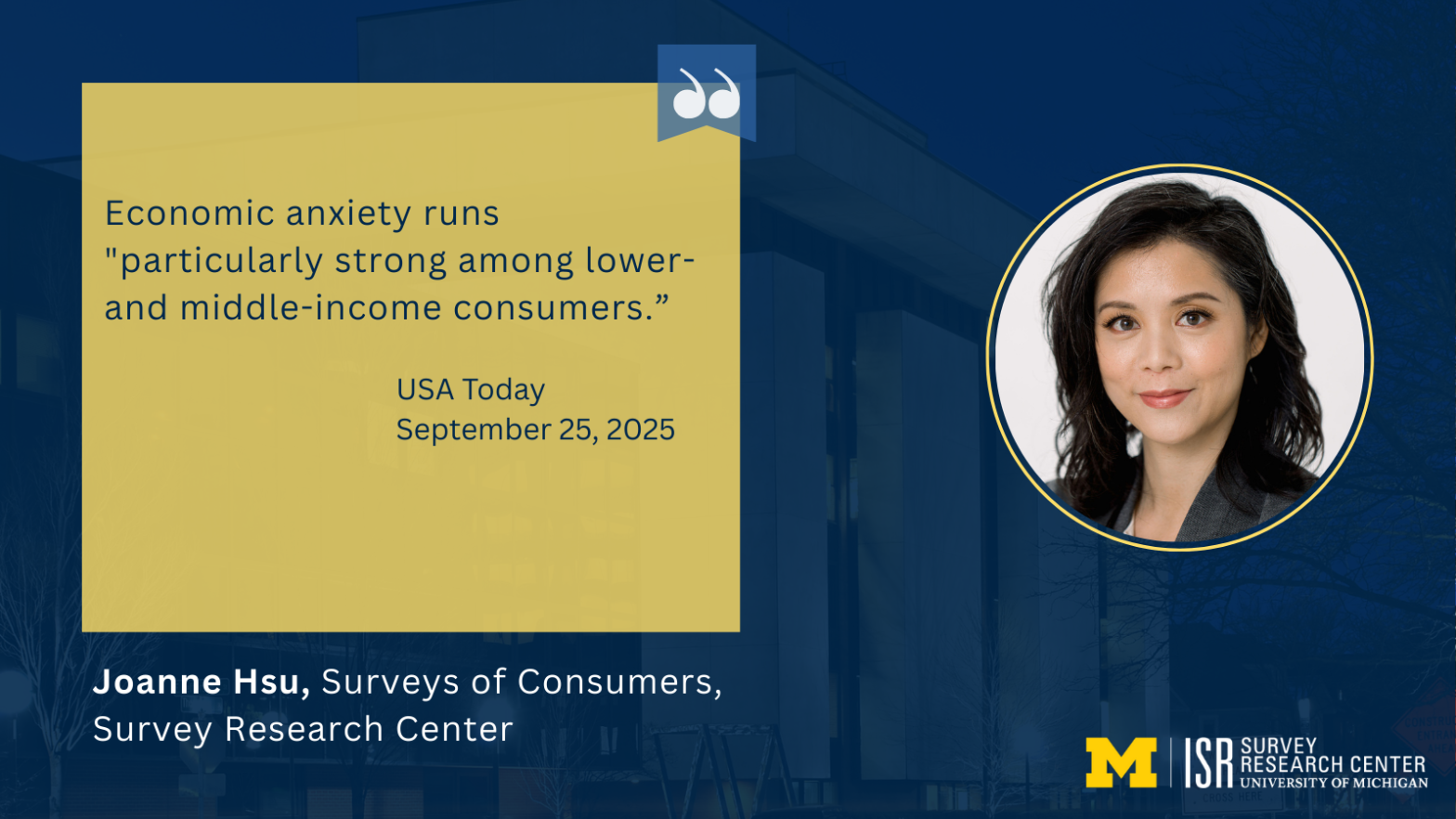
USA Today reports that the American middle class is worried about the economy. According the University of Michigan’s Surveys of Consumers, consumer sentiment has dropped from 70.1 last year to 55.4 in September. Joanne Hsu says this anxiety is “particularly strong among lower- and middle-income consumers.”
Project: Survey Research Center
Real world impact of ISR research: Grace Noppert
In this video, Grace Noppert, Research Assistant Professor in ISR’s Survey Research Center, explores the ways that neighborhood factors may impact your risk of respiratory illnesses. “I think a lot about neighborhoods and what makes a neighborhood a neighborhood. With my work, I think about how neighborhoods may affect your risk of different respiratory illnesses.… Continue reading Real world impact of ISR research: Grace Noppert
Real-World Impact of ISR Research: Carina Gronlund

In this video, Carina Gronlund, Research Associate Professor in ISR’s Survey Research Center, discusses the impact of her research on the health benefits of weatherization programs. “I study the separate and combined effects of air pollution, pollen, and severe weather, and who is most vulnerable to those,and what we can do to help people adapt… Continue reading Real-World Impact of ISR Research: Carina Gronlund
Consumer sentiment falls amid growing inflation worries

ANN ARBOR—Consumer sentiment fell back about 6% in August, declining for the first time in four months. It is now about 20% below December 2024, when sentiment had exhibited a post-election bump, but remains above the trough in sentiment seen in April. This month’s decline was visible across groups by age, income and stock wealth,… Continue reading Consumer sentiment falls amid growing inflation worries
Nicotine pouch, cannabis, vaping, psychedelic use on the rise among US adults
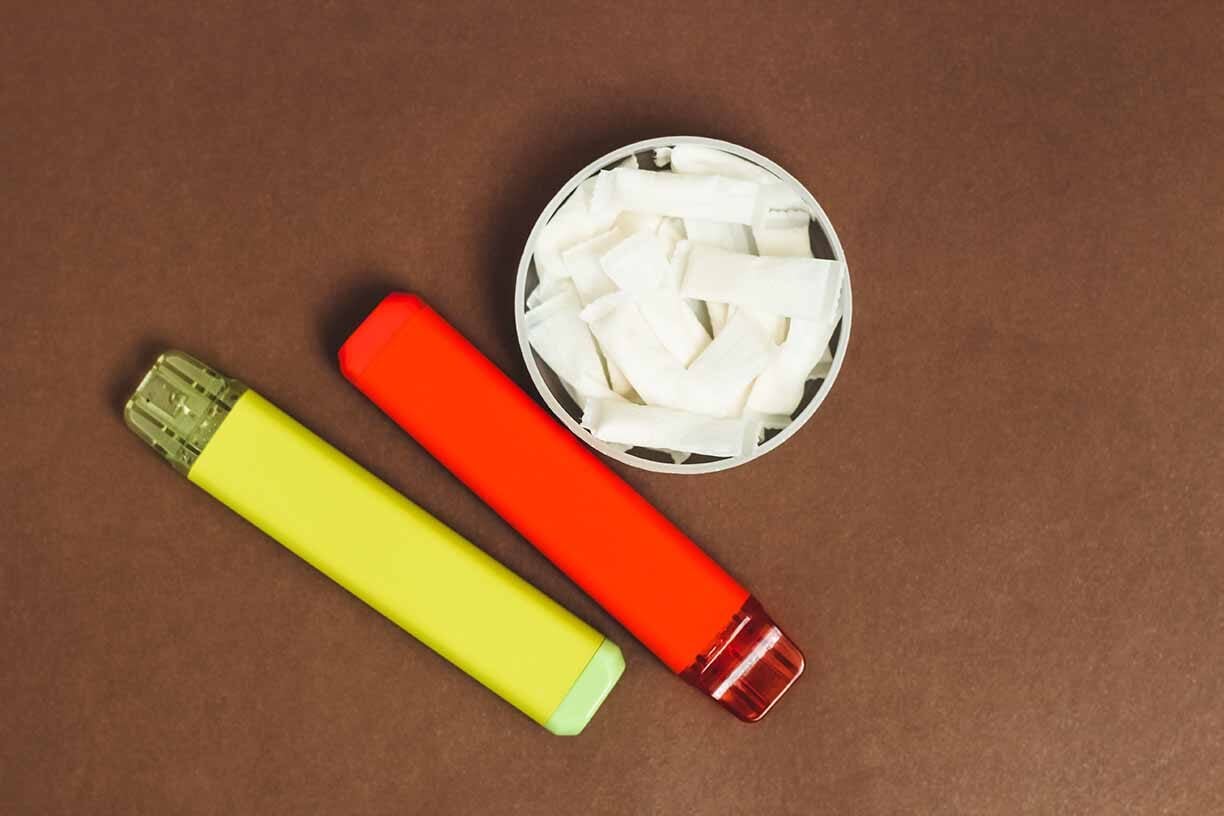
ANN ARBOR—The percentage of young and midlife adults using nicotine pouches significantly increased last year, while cannabis use, vaping and the use of psychedelic drugs are at or near all-time highs, according to the latest data from the University of Michigan’s Monitoring the Future Panel survey. “Alcohol continues to be the most commonly used substance… Continue reading Nicotine pouch, cannabis, vaping, psychedelic use on the rise among US adults
U.S. Drinking Drops to New Low, Poll Finds
An annual Gallup poll has been tracking a downturn in drinking since 2023. Megan Patrick tells the New York Times that this coincides with the Monitoring the Future survey, which has shown a significant decline in young people’s drinking over the last decade.
Data quality and survey response rates
![“The data collection environment is getting more difficult, and any answer will require more resources.” -Joanne Hsu, Surveys of Consumers, Survey Research Center “The whole point of the [BLS] revisions is to improve the survey estimates.” -Brady West, Program in Survey and Data Science, Survey Research Center Financial Times | August 14, 2025](https://api.isr.umich.edu/wp-content/uploads/2025/08/Hsu-West-FT-1568x882.png)
EJ Antoni, Bureau of Labor Statistics nominee, has suggested that the BLS suspend its monthly job reports, citing flawed data. Joanne Hsu & Brady West argue that while data collection is more difficult, the answer is more resources, not less data. Read more at the Financial Times Unhedged newsletter.
With Deep N.I.H. Cuts, Research Into Health Disparities Falters

Sunghee Lee is featured in this NYT article examining the consequences of deep NIH cuts on health disparities research. Her work on dementia in underrepresented populations was defunded despite its critical value.
Care beyond kin: U-M study urges rethink as nontraditional caregivers step up in dementia care
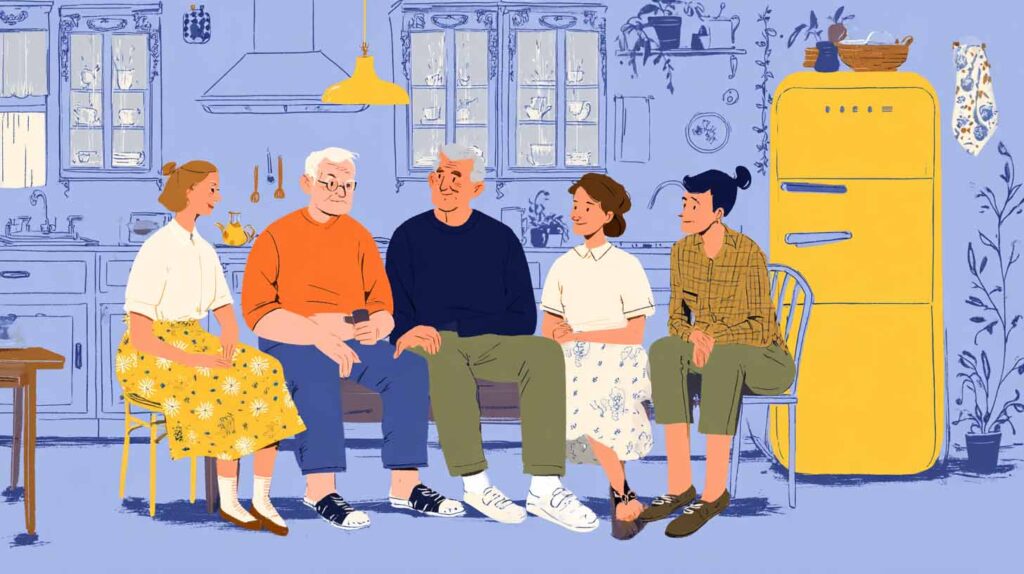
ANN ARBOR—Friends, ex-spouses and neighbors are playing a growing role in caring for older adults with dementia—yet surveys and policies still act as if only spouses and children matter. A new University of Michigan study, supported by the National Institute on Aging of the National Institutes of Health, reveals how outdated definitions of “family” leave caregivers… Continue reading Care beyond kin: U-M study urges rethink as nontraditional caregivers step up in dementia care
Sentiment inches up, consumers remain downbeat

ANN ARBOR—Consumer sentiment improved for the second time in six months, inching up less than 2% from last month, according to the University of Michigan Surveys of Consumers. It remains about 17% below December 2024, when sentiment had exhibited a post-election bump. Current conditions rose about 5% to its highest reading since February 2025, while… Continue reading Sentiment inches up, consumers remain downbeat