Elizabeth F.S. Roberts, Professor of Anthropology and RCGD affiliate, will give the 2023 Roy A. Rappaport Lectures this fall– a four-part lecture series titled “In Praise of Addiction.” This lecture series offers an ethnographic counternarrative to the never-ending U.S. Drug Wars that are justified by our profound disdain for dependency. Roberts juxtaposes this disdain with… Continue reading RCGD’s Elizabeth Roberts to Present Anthropology’s 2023 Rappaport Lectures
Project: Research Center for Group Dynamics
New paper explores the career impact of ISR’s James Jackson
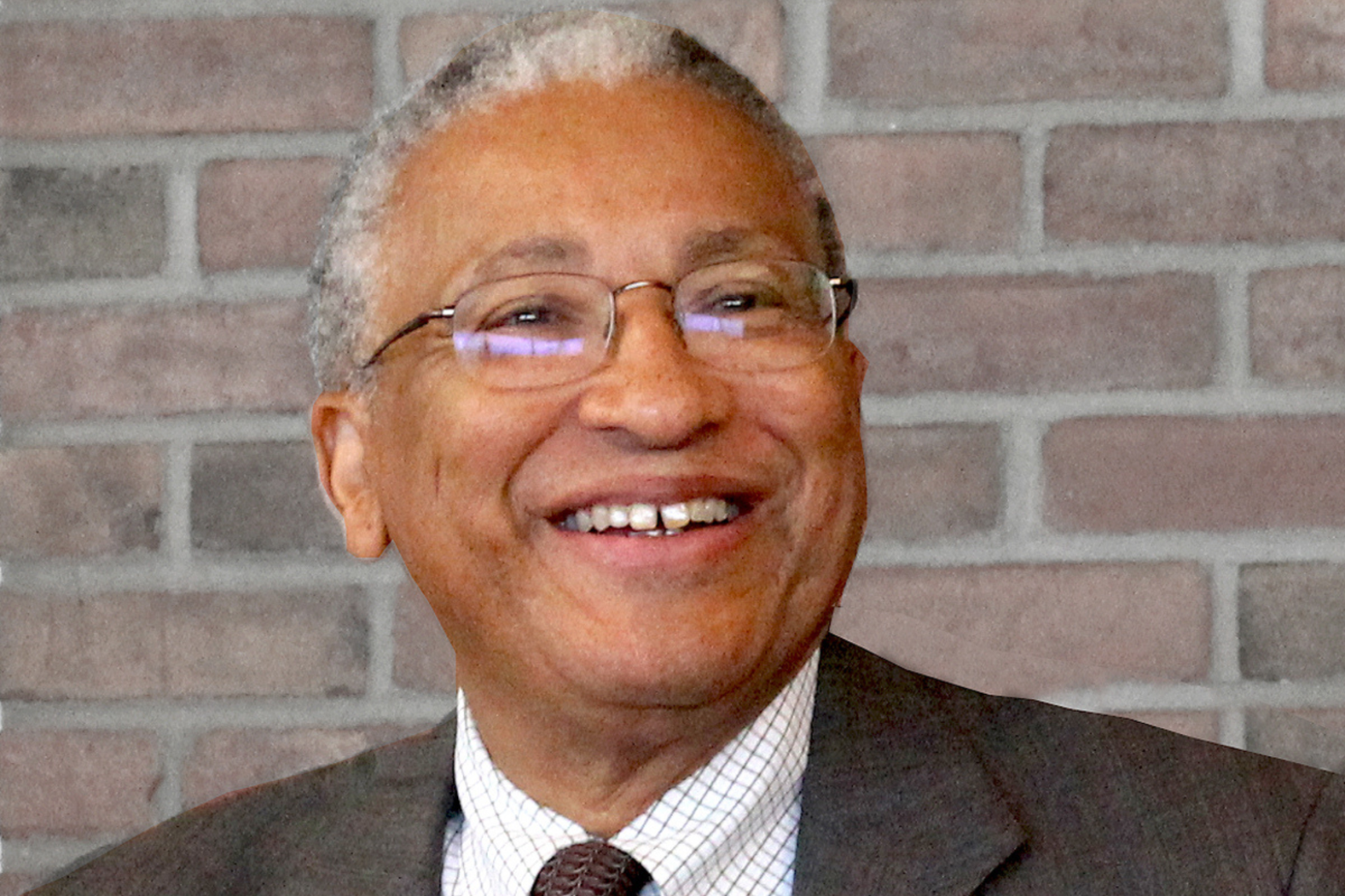
Contact: Jon Meerdink ([email protected]) ANN ARBOR — James Jackson had a tremendous impact on the social sciences throughout his long and distinguished career. At his passing in 2020, he was recognized as a “giant” at the Institute for Social Research and in the larger research community for his work within the Research Center for Group… Continue reading New paper explores the career impact of ISR’s James Jackson
Research Shows How and When Police Car Stops Escalate
ANN ARBOR—The first moments of police interactions with drivers can tell us about what happens next—with officers often giving orders rather than providing reasons for traffic stops, according to a new study that analyzed law enforcement encounters. Nationwide, the public has highlighted the need for police officers to deescalate routine car stops, where Black drivers… Continue reading Research Shows How and When Police Car Stops Escalate
Celebrating the Robert Zajonc Centennial
The upcoming celebration of the Robert Zajonc Centennial in Warsaw, June 18-19, 2023, marks a 30-year collaboration between the Institute for Social Research and its sister institute, the Zajonc Institute for Social Studies (ISS) in Poland. The eminent social psychologist Robert Zajonc, who served as director of the Research Center for Group Dynamics and ISR… Continue reading Celebrating the Robert Zajonc Centennial
Robert Sellers Inducted into the National Academy of Sciences
Robert Sellers was named a 2023 inductee into the National Academy of Sciences (NAS), one of the highest distinctions for a scientist or engineer in the United States. Sellers and one other U-M professor were 2023 inductees into the NAS in “recognition of their distinguished and continuing achievements in original research.” An affiliate of the… Continue reading Robert Sellers Inducted into the National Academy of Sciences
Shinobu Kitayama Explains Cultural Psychology
The preeminent cultural psychologist Shinobu Kitayama had studied cognitive dissonance and attribution theory at Kyoto University, but when he arrived at the University of Michigan in 1982 he experienced cultural shocks that made him feel “something more profound might be going on in terms of culture and its influence on psychological processes.” Kitayama, an affiliate… Continue reading Shinobu Kitayama Explains Cultural Psychology
The Family Safety Net Project led by RCGD’s Lisa Wexler builds on community strengths to prevent suicide in rural Alaska
While suicide is a dire public health problem in rural Alaska, building on the strength of Alaska Natives’ family ties and the value they place on providing safe environments for young people may be more effective for preventing deaths than emphasizing the risks firearms pose in the home. Alaska Native communities suffer disproportionately from suicide,… Continue reading The Family Safety Net Project led by RCGD’s Lisa Wexler builds on community strengths to prevent suicide in rural Alaska
Build on community strengths to prevent suicide in rural Alaska, research says

Contact: Tevah Platt, 734-660-4999; Morgan Sherburne, 734-647-1844, [email protected] ANN ARBOR—While suicide is a dire public health problem in rural Alaska, building on the strength of Alaska Natives’ family ties and the value they place on providing safe environments for young people may be more effective for preventing deaths than emphasizing the risks firearms pose in… Continue reading Build on community strengths to prevent suicide in rural Alaska, research says
How Households Adapt to Water Scarcity: A New Study in Mexico City Sheds Light on Hidden Costs of a Global Issue

Contact: Tevah Platt, [email protected]; Morgan Sherburne, [email protected] ANN ARBOR– As climate change and population growth make water scarcity increasingly common, a much larger share of the global population will be forced to reckon with the costs of urban water scarcity. A new study in PLOS Water sheds light on how households bear the monetary and… Continue reading How Households Adapt to Water Scarcity: A New Study in Mexico City Sheds Light on Hidden Costs of a Global Issue
How Households Adapt to Water Scarcity: A New Study in Mexico City Sheds Light on Hidden Costs of a Global Issue

ANN ARBOR– As climate change and population growth make water scarcity increasingly common, a much larger share of the global population will be forced to reckon with the costs of urban water scarcity. A new study in PLOS Water sheds light on how households bear the monetary and non-monetary costs when water supply is intermittent, rather than… Continue reading How Households Adapt to Water Scarcity: A New Study in Mexico City Sheds Light on Hidden Costs of a Global Issue