
ANN ARBOR — Generosity may be its own reward, but how often does a generous act result in more generous behavior down the road? What makes people pay it forward? A look into the world of online streaming may offer some answers. In The Spread of Virtual Gifting in Live Streaming: The Case of Twitch,… Continue reading Who pays it forward? How one online community shines a light on the effects of gifts
News Tag: Social Psychology
Institute for Social Research and University of Michigan College of Engineering select three projects for 2025 Rural Life Program grants

ANN ARBOR — Now in its third year, the joint Rural Life Program maintained by the University of Michigan’s Institute for Social Research and College of Engineering has selected three new projects aimed at an in-depth look at key issues of rural life. “The Rural Life Program is a highlight of ISR’s commitment to interdisciplinary… Continue reading Institute for Social Research and University of Michigan College of Engineering select three projects for 2025 Rural Life Program grants
Happily ever after in marriage: Unwavering spousal support

ANN ARBOR—It’s the question many young couples ask those in long-term marriages: What’s the secret to a successful marriage? For African American couples who have flourished for decades together, unwavering spousal support is the magic ingredient, according to a study led by University of Michigan researchers. Respondents in the study who indicated that they had… Continue reading Happily ever after in marriage: Unwavering spousal support
Cheers or cheers-ious consequences? How older couples’ drinking habits affect health

ANN ARBOR—Older couples may want to take a closer look at their drinking habits together. While most research focuses on how your drinking affects your health, a University of Michigan study shows that a partner’s drinking habits matter, too. It underscores that it’s not just how much alcohol is consumed, but how couples drink—similarly or… Continue reading Cheers or cheers-ious consequences? How older couples’ drinking habits affect health
To Suss Out Who’s Sick, Humans Rely on Senses at a Distance

Consider the scenario: Imagine you’re sharing close quarters with another person during a serious flu outbreak. Public health officials have urged people to be cautious about spreading the infection that’s making people extremely sick, but you don’t know whether this person has the flu or not. They may not even know themselves. Which of your… Continue reading To Suss Out Who’s Sick, Humans Rely on Senses at a Distance
To suss out who’s sick, humans rely on senses at a distance
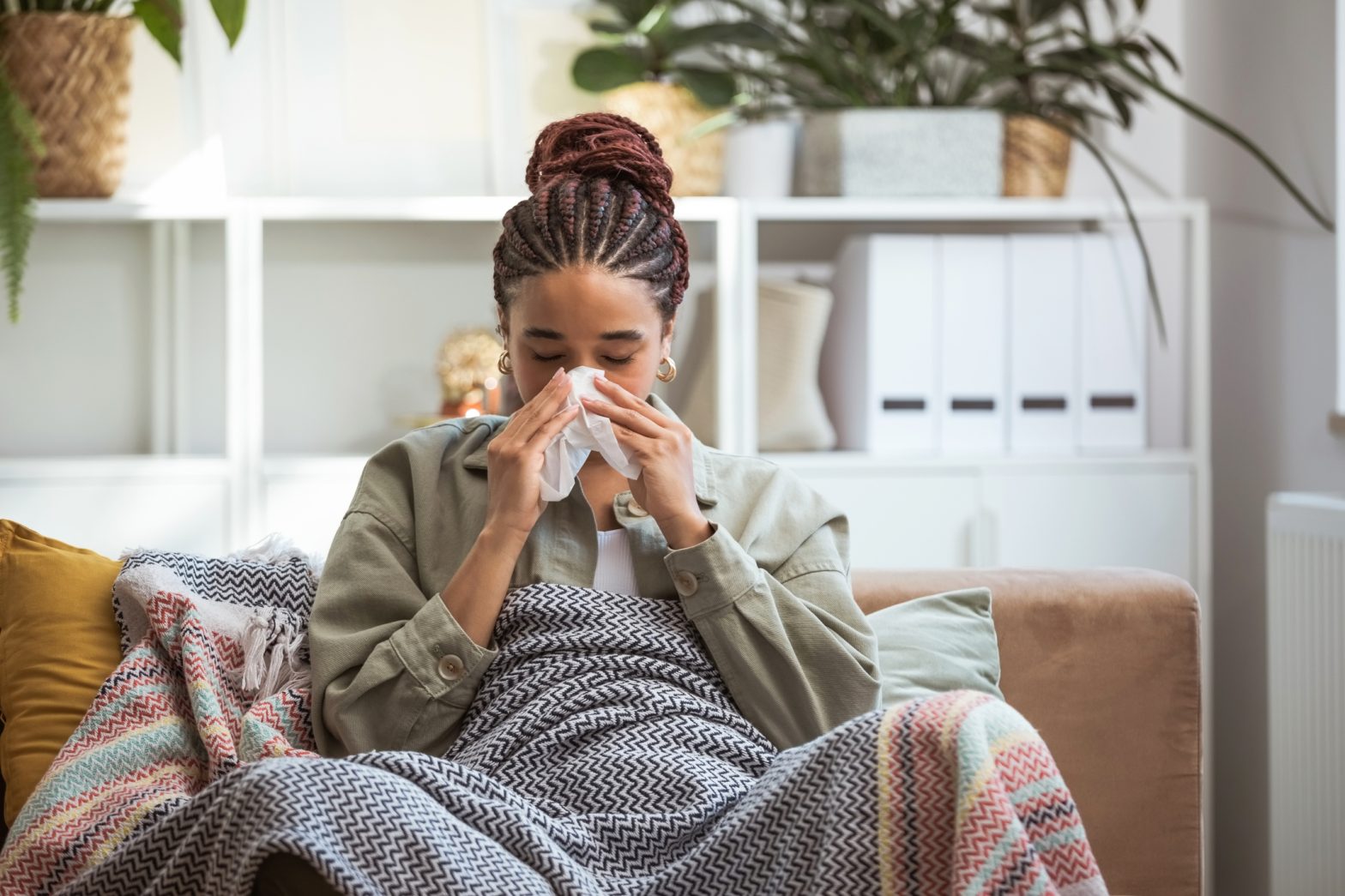
ANN ARBOR—If you’re sharing close quarters with someone during flu season, how would you know they are sick, even in cases where they may not know themselves? A new global study led by a University of Michigan researcher found that people worldwide—when choosing among their five senses—agree that sight and hearing are the most useful senses, followed… Continue reading To suss out who’s sick, humans rely on senses at a distance
‘It takes a village’: Community-led approach can reduce youth suicide risk

ANN ARBOR—Empowering everyday community members to lead suicide prevention efforts—by promoting wellness, strengthening relationships and implementing tailored actions—can significantly reduce the risk among youth. Instead of relying solely on crisis-based mental health services, a new University of Michigan study offers a promising solution by demonstrating how community-driven approaches, skill-building and local collaboration have tackled Alaska… Continue reading ‘It takes a village’: Community-led approach can reduce youth suicide risk
The loneliness paradox: Being alone may not be so bad
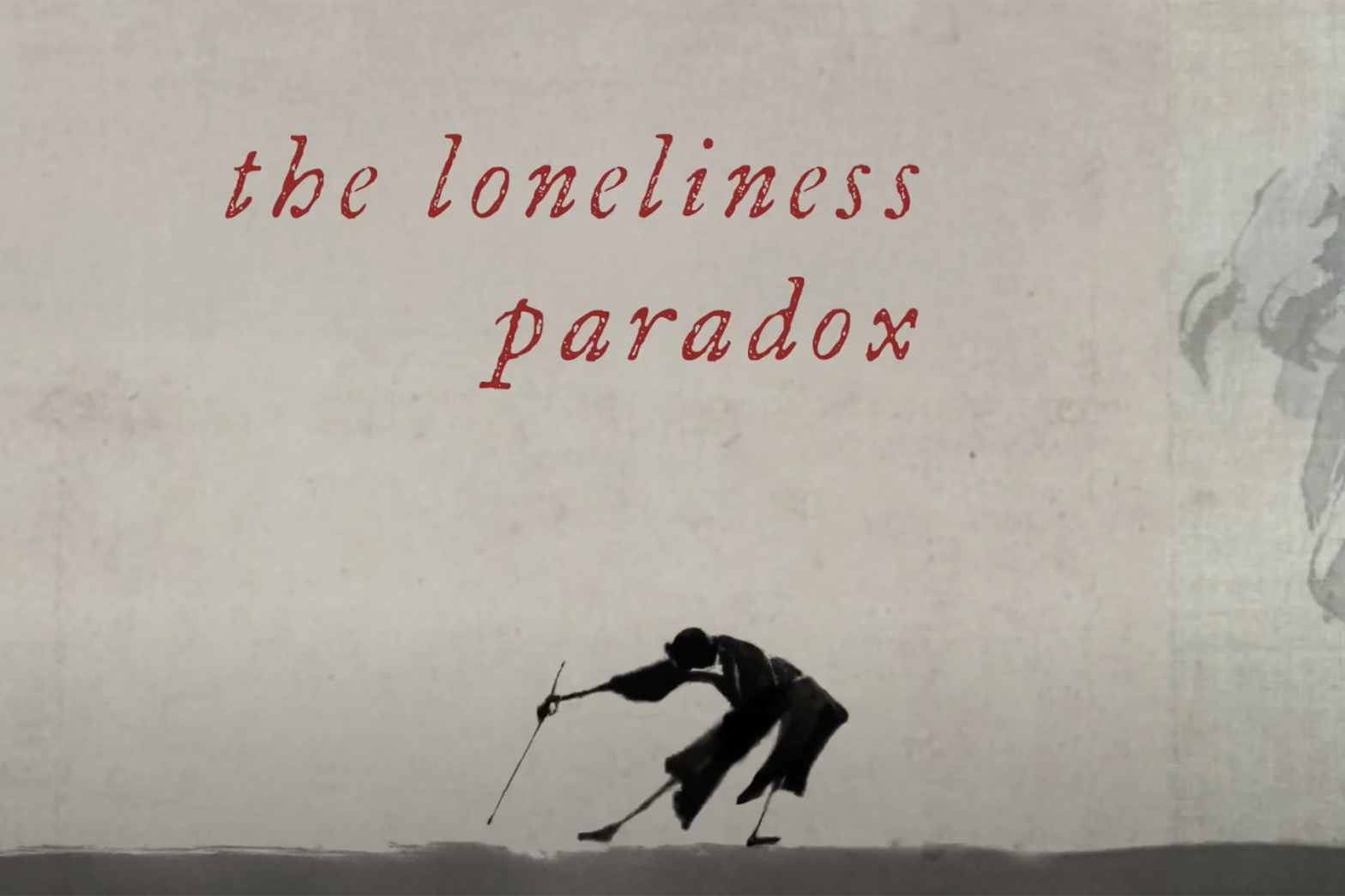
Research discusses why the way we talk about solitude might be making us lonelier ANN ARBOR—In an era of hyperconnectivity, loneliness has been declared a global epidemic with significant consequences for mental and physical health. Public health campaigns and media discussions have long sought to combat this crisis—but could they be making it worse? New… Continue reading The loneliness paradox: Being alone may not be so bad
Study: Brilliant white male characters more believable, some viewers say

By SHARITA FORREST Brilliant characters often play key roles in movies and TV shows. However, when these characters are played by women and people of color, some audience members dismiss them as unrealistic, even if they portray real people and events, a recent study found. University of Illinois Urbana -Champaign communication professor Matea Mustafaj found that people who strongly… Continue reading Study: Brilliant white male characters more believable, some viewers say
Friends act as family surrogates for unmarried African Americans
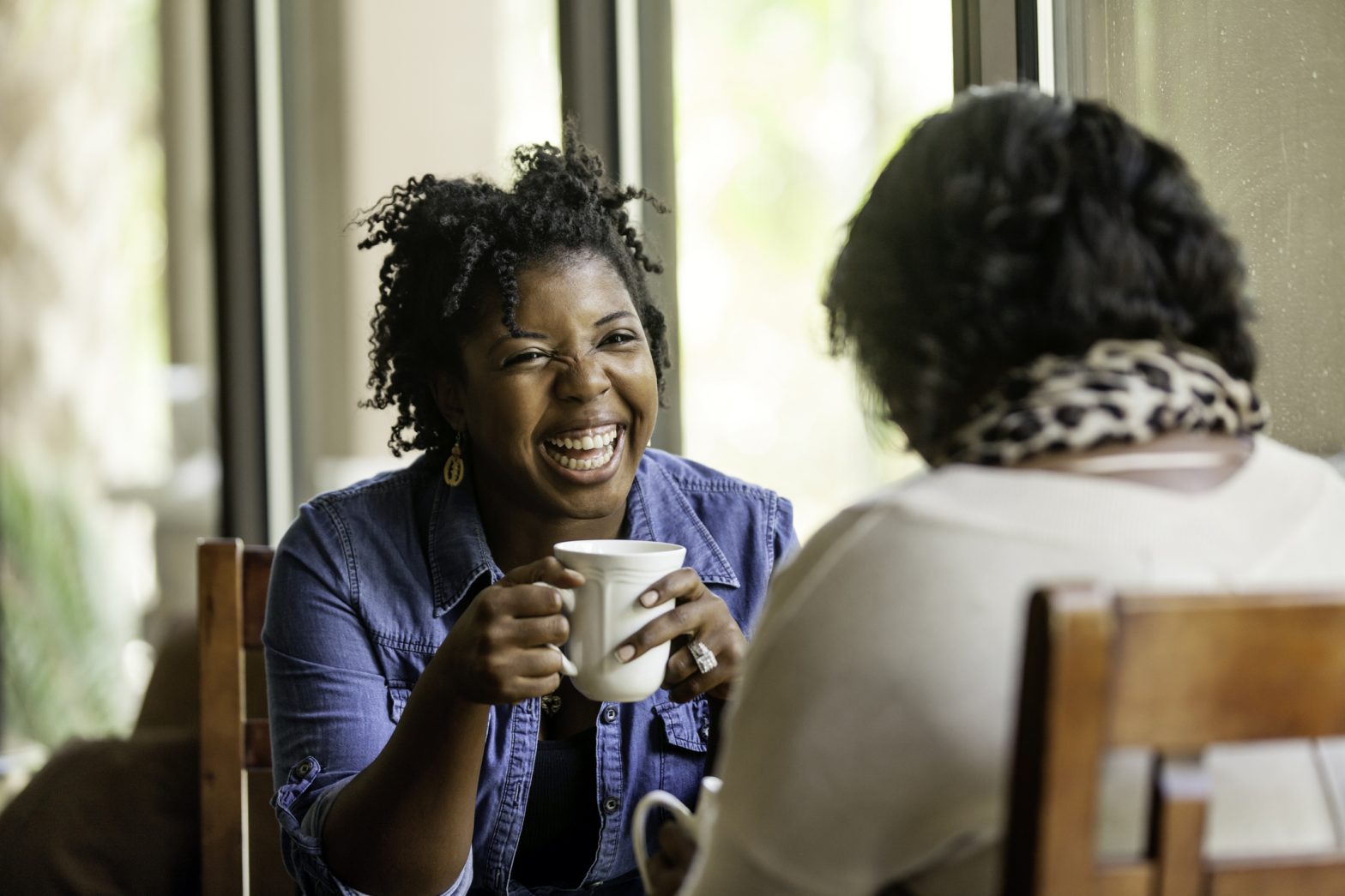
ANN ARBOR—Friends play an essential role in everyone’s life, offering companionship and a safe space to share personal thoughts and feelings. A recent University of Michigan study reveals important information about the patterns and supportive functions of friendships among African Americans. One intriguing aspect is that separated, divorced, widowed and never-married individuals interacted with friends… Continue reading Friends act as family surrogates for unmarried African Americans