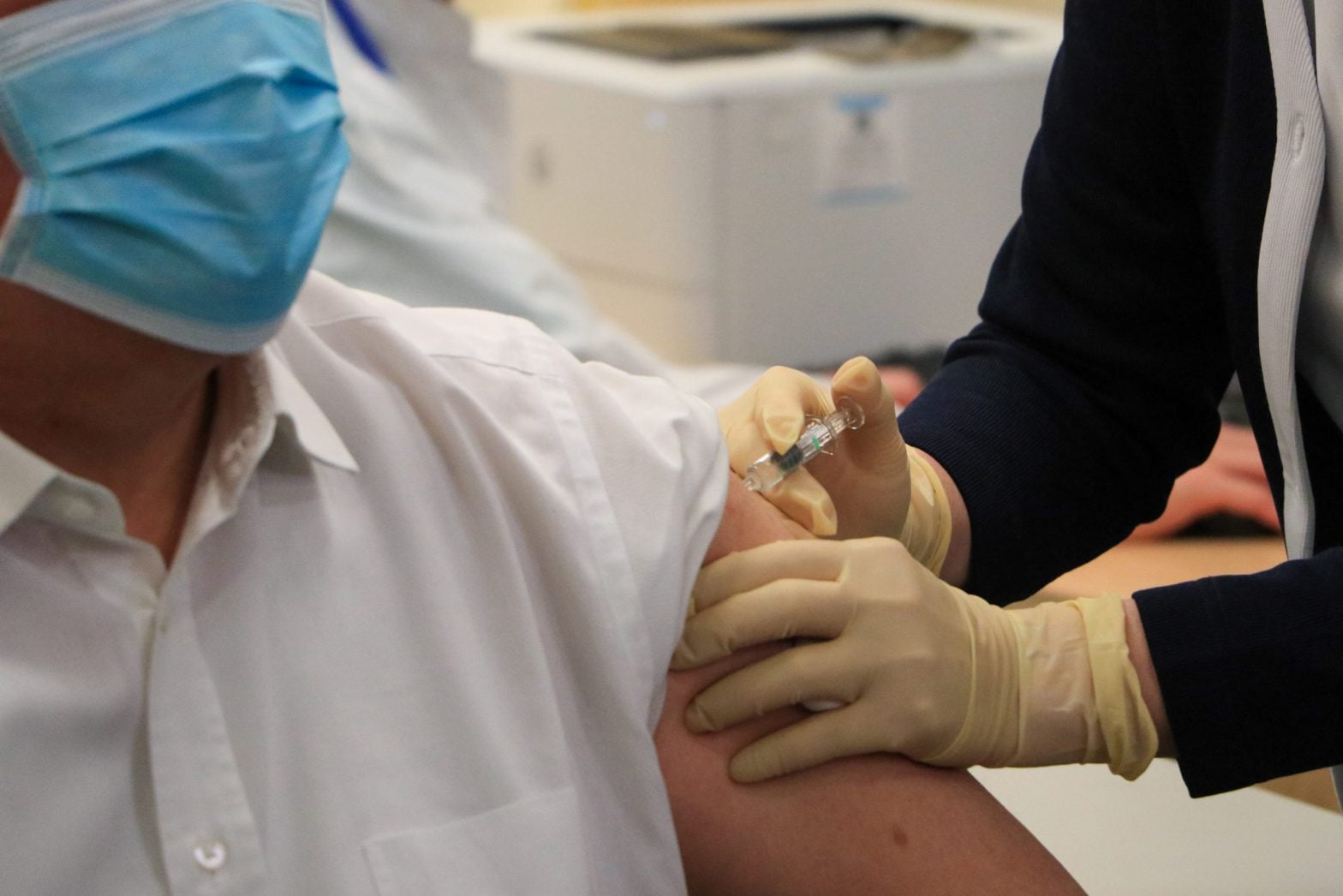
DETROIT—Thirty-eight percent of Detroiters now say they are “very likely” to get the COVID-19 vaccine when it becomes available, up from 14% who gave that response in fall 2020, according to a new survey from the University of Michigan. At the same time, the proportion of those very unlikely to vaccinate fell from 38% to… Continue reading More Detroiters ‘very likely’ to get COVID-19 vaccine than 4 months ago, U-M survey finds
News Tag: COVID-19
CDC blurs geography in reporting COVID-19 deaths, researchers say
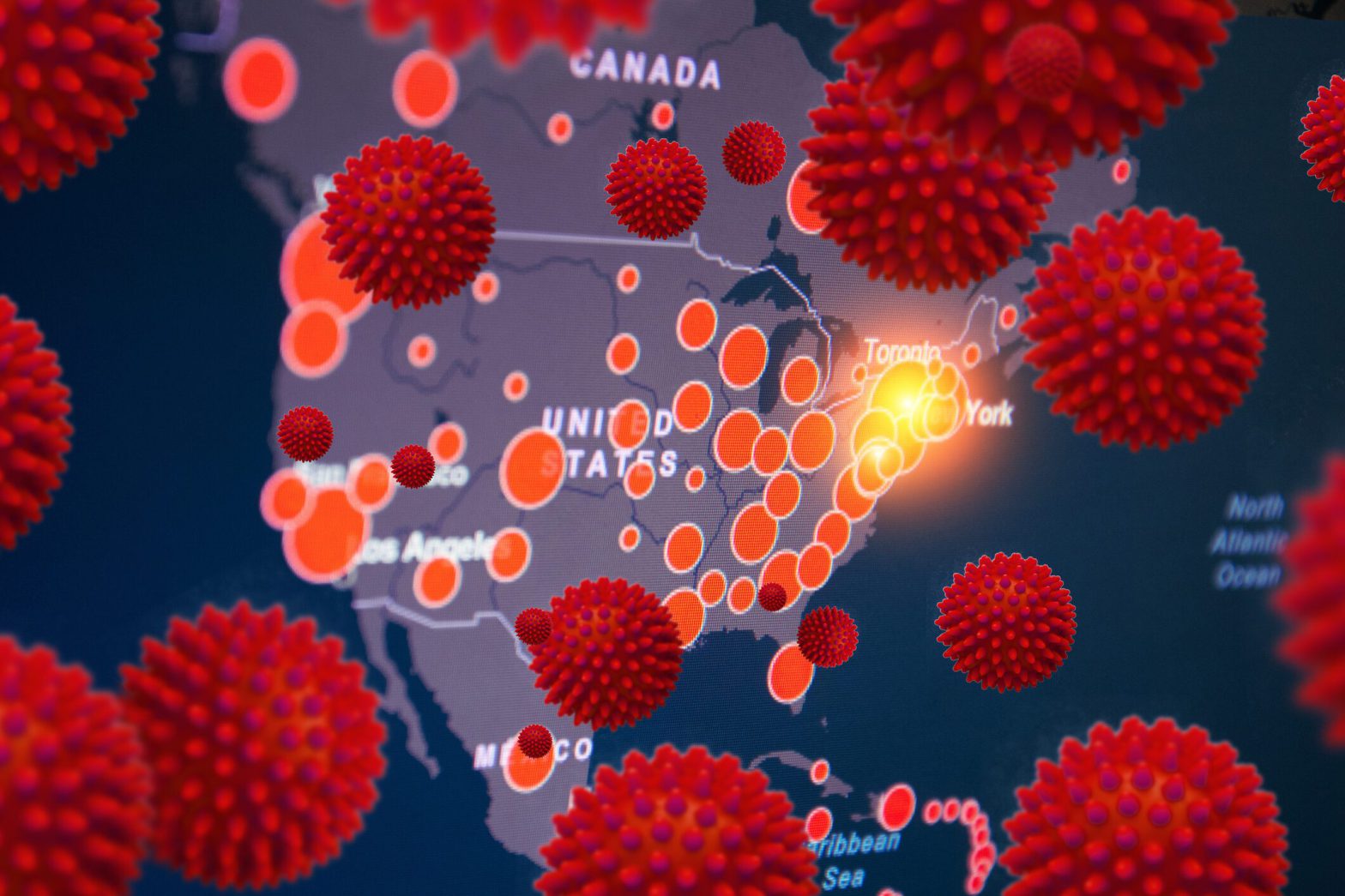
When researcher Lauren Zalla was digging into the Centers for Disease Control and Prevention’s reports about the racial and ethnic disparities in COVID-19 deaths, she found something startling. She discovered that the CDC was using a statistical method that controls for geography when reporting deaths from COVID-19 by race and ethnicity. This distorts the rates… Continue reading CDC blurs geography in reporting COVID-19 deaths, researchers say
Feelings about scientists a factor in COVID‐19 attitudes, behaviors
ANN ARBOR—Some people’s willingness to reduce the spread of COVID-19 seems to be connected to their feelings about scientists rather than their political partisanship, a new study suggests. Researchers from the University of Michigan and University of Illinois found that people who expressed warmth toward scientists were more concerned about the impact of the virus… Continue reading Feelings about scientists a factor in COVID‐19 attitudes, behaviors
U-M’s partnerships, initiatives in Detroit on the rise during pandemic
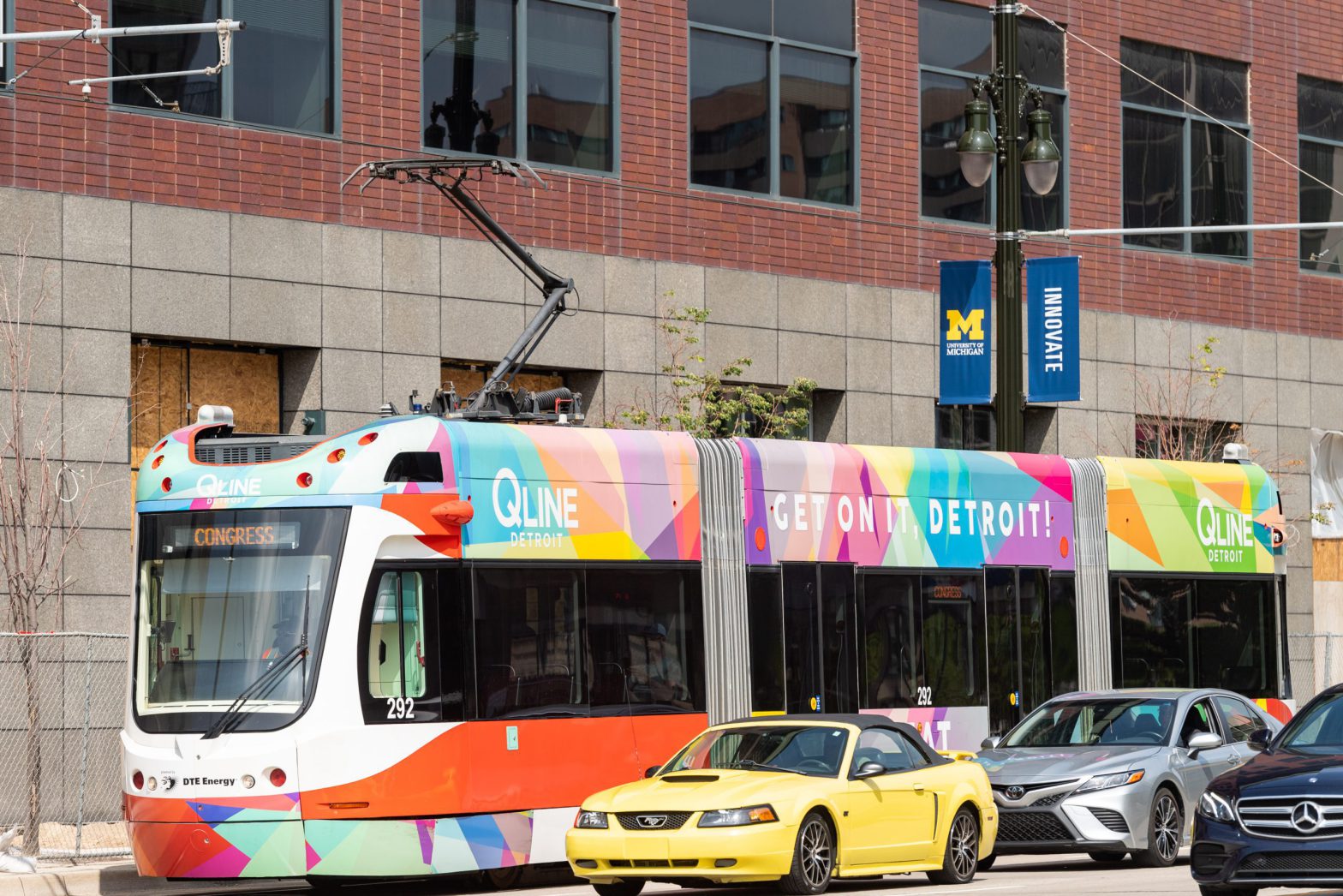
ANN ARBOR—The University of Michigan ramped up its collaborations on a multitude of projects in the city of Detroit during the pandemic, including outreach to residents on issues ranging from unemployment to the COVID-19 vaccine. Initiatives such as Poverty Solutions, which created an Economic Mobility Partnership with the city of Detroit, and a partnership with… Continue reading U-M’s partnerships, initiatives in Detroit on the rise during pandemic
Parents depressed by pandemic had negative impact on kids’ education, well-being

ANN ARBOR—Parent depression and stress early in the pandemic negatively contributed to young children’s home education and anxiety, a University of Michigan study suggests. The stress could still be present today for some parents as their kids transition back to school while COVID-19 remains a danger. Continued support for children and parents will be needed,… Continue reading Parents depressed by pandemic had negative impact on kids’ education, well-being
Improved job prospects top concern of consumers

ANN ARBOR—The relatively small recent loss in consumer confidence was concentrated among households with below median incomes, and focused on future economic prospects, according to the University of Michigan Surveys of Consumers. The worst of the pandemic may be nearing its end, but few consumers anticipate the type of widespread and persistent economic growth that… Continue reading Improved job prospects top concern of consumers
Segregation, income disparity fueled high Covid-19 numbers
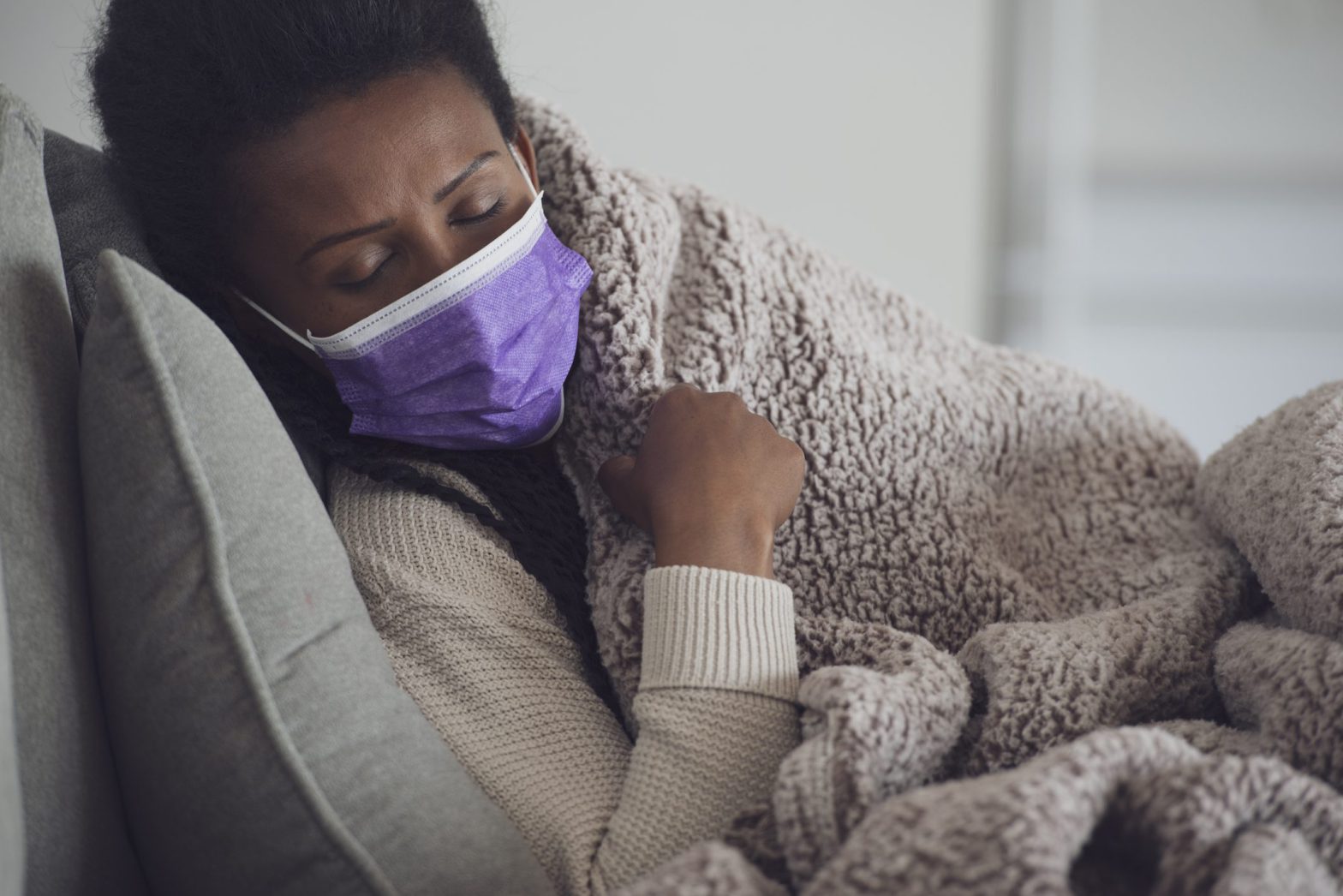
A new study says metropolitan areas such as Detroit, Chicago and New York would have seen significantly lower Covid cases and deaths if racial segregation and poverty had not been factors. ANN ARBOR—The growth rate of COVID‐19 cases and deaths was higher for U.S. metropolitan areas that exhibited greater Black and white or Hispanic and… Continue reading Segregation, income disparity fueled high Covid-19 numbers
Study underscores need for stimulus support to vulnerable groups
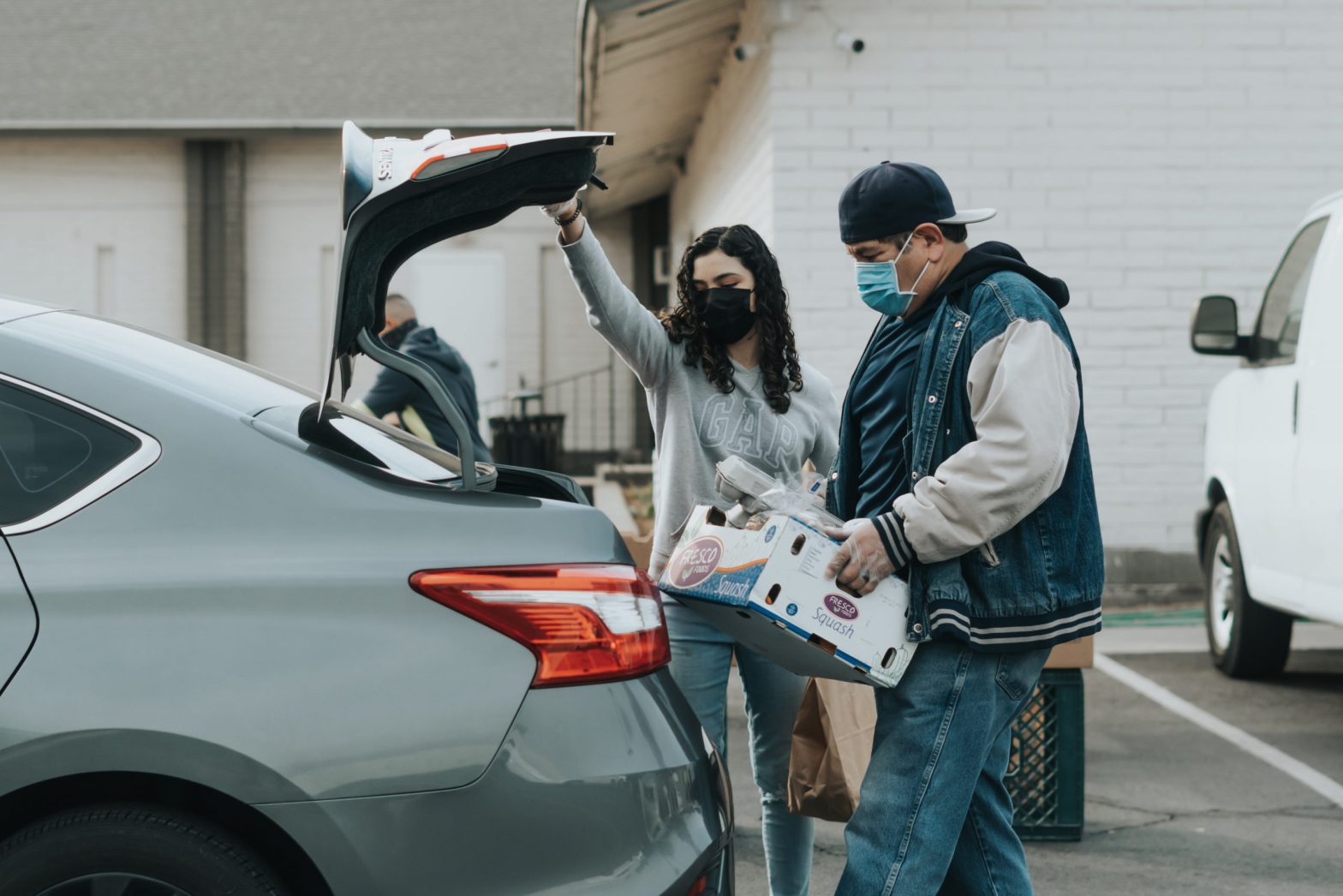
ANN ARBOR—Workers who are most vulnerable to pandemic layoffs are more likely people of color, underscoring the need for stimulus funding in order to keep racial inequality from growing, according to a new University of Michigan study. U-M researcher Brooke Helppie-McFall and colleague Joanne Hsu of Howard University and the Federal Reserve Board were interested… Continue reading Study underscores need for stimulus support to vulnerable groups
U-M research on material hardship in 2020 offers guidance for next economic relief package

ANN ARBOR—Material hardship in the United States rose significantly in the final months of 2020 and was particularly high for households with children, according to new research from Poverty Solutions at the University of Michigan. The rise in hardship occurred at a time when the income supports from the first COVID-19 relief bill, the Coronavirus… Continue reading U-M research on material hardship in 2020 offers guidance for next economic relief package
Black business owners, entrepreneurs left out of small business coronavirus support

ANN ARBOR—As Congress considers a second coronavirus stimulus package, a University of Michigan study shows that particular consideration should be given to how small business loans are distributed to business owners and entrepreneurs—especially minority entrepreneurs. In March, the CARES Act was signed into law and provided, among other support for Americans, loans to support small… Continue reading Black business owners, entrepreneurs left out of small business coronavirus support