Many students graduating with degrees in social science and with a passion for research don’t know very much about careers in research, or what steps to take in order to find out more.
The Institute for Social Research launched the Junior Professional Researcher program in 2023 to bridge the gap between a bachelor’s degree and a meaningful career in social science research, catalyzing education into a life-changing career. Each new cohort has brought fresh energy to ISR’s mission of understanding and addressing pressing social issues.
Our program recently welcomed our third cohort of researchers into the program. We hire recent college graduates from all backgrounds for a paid, two-year research position in one of ISR’s research programs. Here, they gain real-world experience that helps them take the next steps in their career, whether that’s a Ph.D. program or a job in a research field. No matter what path they choose, they have the advantage of experience, mentorship, and connections that boost them toward new opportunities. It’s a perfect illustration representing U-M’s theme year of Life-Changing Education.
JPRs have the chance to explore academic disciplines they may not have encountered before. As the world’s largest social science research institution, ISR has a diverse set of research projects that give participants exposure to a wide range of research areas. Participants learn about research topics through workshops, training, and networking opportunities outside of their assigned projects.
The participants work closely with senior researchers and mentors who guide their development. Chiara Affatigato, JPR in ISR’s Stone Center for Inequality Dynamics reflected, “Everyone in the center has been very supportive and helpful and available for mentorship.”
JPRs are not just assistants, they’re contributors. They learn how to ask questions, analyze data, write for publication, and communicate research. Many JPRs even have the opportunity to present their own research at conferences. These experiences help participants grow as researchers and collaborators.
Often, research careers are more accessible to students from privileged backgrounds. This program intentionally works to open doors and support graduates from a wide range of backgrounds, creating a more inclusive pathway for the next generation of researchers, and richer perspectives in the field.
As Angelica Eagle, JPR in the Aging and Biopsychosocial Innovations program, said, “I was a first-gen student in college, so having a supportive network here and being in this program has helped me to solidify what my skills are, what I like to do, and what my research interests are, to see if this is a good path for me, and then showing me how to navigate the process of applying to grad school and jobs.” JPRs bring their unique perspectives and experiences to our community, strengthening the quality of our work.
For those seeking a life-changing education that extends beyond the classroom, the JPR program offers a transformative opportunity to grow, learn, and launch a career. Our first cohort of JPRs recently completed their program, and we’ve been pleased to see them enter Ph.D. programs and research opportunities. They are equipped with invaluable experience that will launch their careers, and we can’t wait to see what their futures have in store.
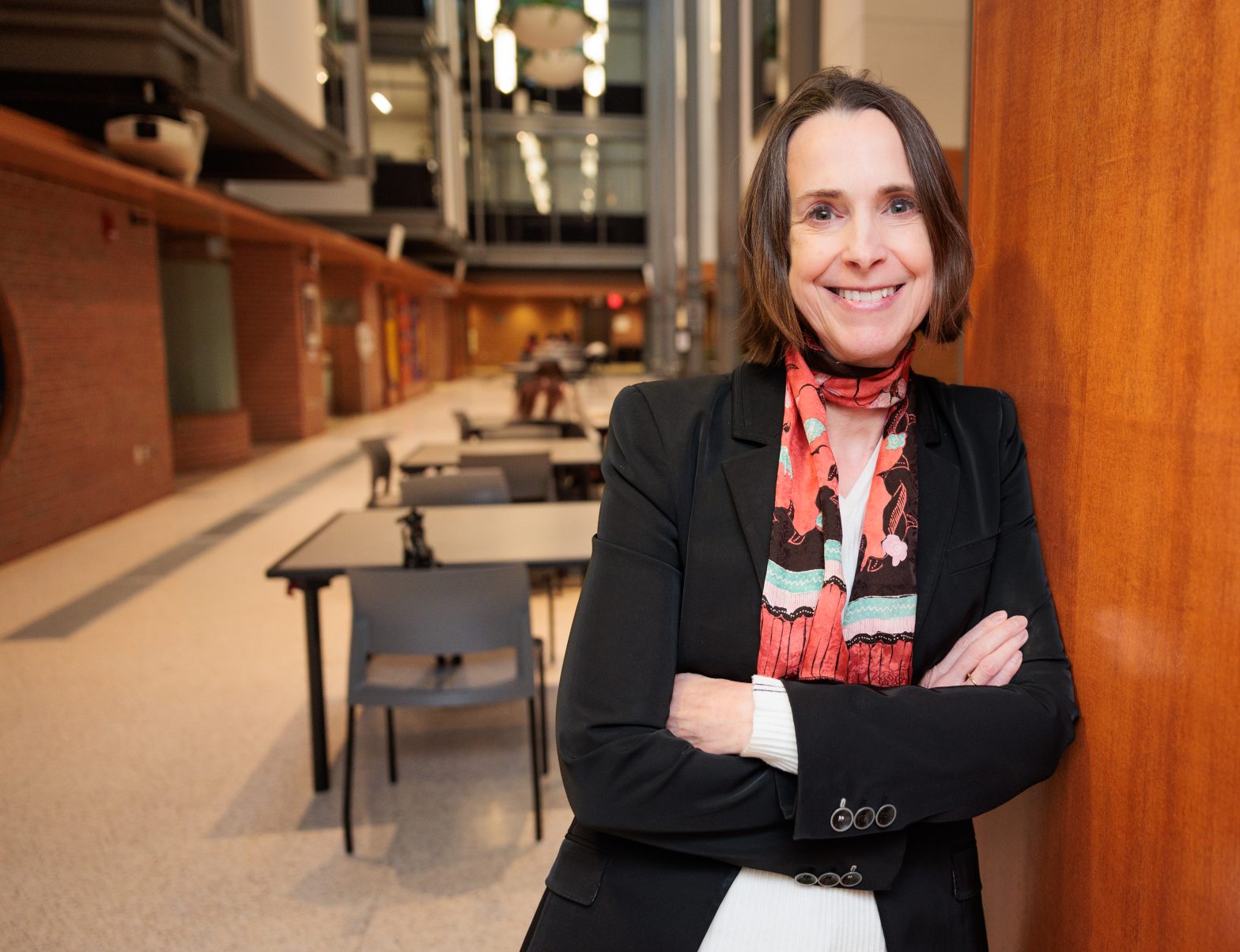
— Kate Cagney, Ph.D., is the director of the Institute for Social Research, one of the world’s premier centers for social science innovation. As director, she advances ISR’s mission to generate rigorous research that deepens understanding of social and behavioral processes. Her own scholarship examines how neighborhood, race, and social context shape health and aging across the life course, bringing insights from urban sociological theory and methods to research on health.
This column was originally published in The University Record.